
KilgourMD is formulated exclusively based on peer reviewed, scientific evidence for maximum efficacy, using concentrated botanical extracts. Read more about the innovative research behind our products below.
The scalp is a garden
- 2020, The aging skin microenvironment dictates stem cell behavior, PNAS., opens in a new tab
- This landmark study proved definitively to us for the first time that the health of the scalp is essential for healthy hair growth. The researchers implanted young hair follicle stem cells into aged dermis, which led the hair follicles to stop growing. They then did the opposite – implanting aged hair follicles into young skin – and critically this led to regrowth of those hair follicles. Think of the hair follicles as seeds, and the scalp as the soil; maintaining fertile, healthy soil is essential.
Clinically proven actives
- 2019, A comparative study between topical 5% minoxidil and topical "Redensyl, Capixyl, and Procapil" combination in men with androgenetic alopecia, Journal of Cosmetology & Trichology., opens in a new tab
- The combination of Redensyl®, Capixyl® & Procapil® (all found within the revolutionary KilgourMD system) was demonstrated to be superior to maximum strength 5% minoxidil across all outcome measures in this peer-reviewed, randomized-controlled trial. Unlike minoxidil, there are no known side effects.
- 2020, A randomized, single-blinded, vehicle-controlled study of a topical active blend in the treatment of androgenetic alopecia, Dermatologic Therapy., opens in a new tab
- A 24-week single blind study for androgenetic alopecia using Redensyl®. Out of 44 trial participants, 26 were treated with Redensyl® and had impressive results: 7.7% saw great improvement, 73.1% had moderate improvement, and 19.2% remained stable. People reported better hair quality and improved life satisfaction, showing that this treatment is a promising option for hair thinning.
- 2023, SafetyJocd.16084and efficacy of REGENDIL™ infused hair growth promoting product in adult human subject having hair fall complaints (alopecia), Journal of Cosmetic Dermatology, opens in a new tab.
- This study tested a hair serum containing Redensyl®, Anagain®, and Procapil® on 32 people with hair loss, applying it daily for 60 days. The serum significantly improved hair growth, thickness, and density, with a 1.5 times increase in growth after just 60 days. The serum was well-tolerated, demonstrating its effectiveness as a daily scalp care therapy.
Powered by mother nature
- Rosemary (Rosmarinus Officinalis Leaf Extract)
- 2020, A systemic review on topical marketed formulations, natural products, and oral supplements to prevent androgenic alopecia: a review, Natural Products and Bioprospecting., opens in a new tab
- 2022, Advances in hair growth, Faculty Reviews., opens in a new tab
- Scientific research suggests that rosemary offers numerous benefits for the scalp. Its anti-inflammatory and antioxidant properties help promote hair growth, reduce dandruff, and soothe irritation. Rosemary oil has shown potential in improving circulation within the scalp, enhancing hair thickness, and preventing premature thinning. Regular use can contribute to healthier, revitalized scalp and hair.
- Turmeric (Curcuma Longa Root Extract)
- 2020, A systemic review on topical marketed formulations, natural products, and oral supplements to prevent androgenic alopecia: a review, Natural Products and Bioprospecting., opens in a new tab
- Scientific studies highlight turmeric's scalp benefits due to its active compound, curcumin. Curcumin's anti-inflammatory and antioxidant properties can alleviate scalp inflammation. Additionally, curcumin Inhibits the androgen hormone activating enzyme 5α-reductase associated with hair loss, promoting a conducive environment for hair growth.
- Pumpkin Seeds (Cucurbita Pepo Cotyledon Extract)
- 2020, A systemic review on topical marketed formulations, natural products, and oral supplements to prevent androgenic alopecia: a review, Natural Products and Bioprospecting., opens in a new tab
- 2020, Herbal preparations for the treatment of hair loss, Archives of Dermatological Research., opens in a new tab
- Scientific research demonstrates that pumpkin seed extract offers notable benefits for the scalp. Rich in nutrients such as phytosterols and antioxidants, it helps promote hair growth through inhibiting enzymes linked to hair loss, including 5α-reductase. Pumpkin seed extract also contains omega-3 fatty acids, supporting overall scalp health and reducing inflammatory conditions such as dandruff.
- Pine Bark (Pinus pinaster bark extract)
- A transformative antixoxidant with additional anti-inflammatory effects, this pine bark extract supports a healthy scalp environment. In addition, it is thought to contribute to improved scalp circulation, promoting hair follicle health through delivery of vital micronutrients.
- Amla (Emblica Officinalis Fruit Extract)
- A long-time component of traditional Ayurvedic Indian medicine, this extract is rich in antioxidants and vitamin C, demonstrating potential in promoting hair growth through nourishing hair follicles and reducing oxidative stress. The extract enhances scalp health, strengthens hair strands, and address conditions such as dandruff.
- 2020, Clinical study to evaluate the efficacy and safety of a hair serum product in healthy adult male and female volunteers with hair fall, Clinical, Cosmetic and Investigational Dermatology., opens in a new tab
- During a 90-day clinical study, a hair serum featuring amla extract proved highly effective. It notably enhanced hair growth rate, density, and reduced hair fall. Dermatologically safe and well-tolerated, the serum demonstrated no adverse events, making it a promising solution for addressing hair-related concerns and supporting overall hair health.
- Saw Palmetto (Serenoa Serrulata Fruit Extract)
- 2020, A systemic review on topical marketed formulations, natural products, and oral supplements to prevent androgenic alopecia: a review, Natural Products and Bioprospecting., opens in a new tab
- 2020, Herbal preparations for the treatment of hair loss, Archives of Dermatological Research., opens in a new tab
- Potent and powerful natural inhibitor of 5α-reductase. Also reduces the effect of androgen receptors within the scalp by 50%. Its anti-inflammatory properties also contribute to a healthier scalp environment, potentially promoting stronger, thicker hair.
- Ginseng (Panax Ginseng Root Extract)
- 2020, Herbal preparations for the treatment of hair loss, Archives of Dermatological Research., opens in a new tab
- The bioactive compounds within ginseng extract help stimulate hair follicles, promoting growth and preventing hair loss. Additionally, its anti-inflammatory properties contribute to scalp health, potentially enhancing hair thickness and strength.
- Caffeine
- 2012, Role of caffeine in the management of androgenetic alopecia, International Journal of Trichology., opens in a new tab
- 2020, A systemic review on topical marketed formulations, natural products, and oral supplements to prevent androgenic alopecia: a review, Natural Products and Bioprospecting., opens in a new tab
- Caffeine benefits hair growth in hereditary hair loss (Androgenetic Alopecia) by inhibiting a hormone (DHT) and stimulating cell metabolism. Studies show caffeine's positive effects on hair follicles, improving barrier function and faster drug delivery, making it a potential adjuvant in managing hair loss.
Oxidative stress and the scalp
- 2021, Oxidative stress and its impact on skin, scalp and hair, International Journal of Cosmetic Science., opens in a new tab
- Oxidative stress, the body's inability to counteract oxidation sources, plays a role in premature hair loss. Aging affects hair color, production, and structural properties, impacting manageability and appearance. Scalp aging, influenced by factors like UV radiation, precedes androgenetic alopecia, highlighting the need for scalp protection. Hair follicle stem cells also exhibit age-related changes, affecting growth and self-renewal. Research indicates balding scalp cells are sensitive to environmental stress, showing premature aging and reduced proliferative capacity.
- 2022, Ascorbic acid (vitamin C) as a cosmeceutical to increase dermal collagen for skin antiaging purposes: emerging combination therapies. Antioxidants., opens in a new tab
- Ascorbic acid (AA), a vital nutrient, serves as a powerful cosmeceutical against skin aging. By mitigating oxidative stress and promoting collagen gene expression, AA combats photoaging and natural skin aging. Clinical evidence supports its role in increasing dermal collagen. Strategies, including AA analogs and amino acid combinations, enhance collagen synthesis, offering a comprehensive approach to skin health.
Liposomal encapsulation
- 2019, Ascorbic acid encapsulated into negatively charged liposomes exhibits increased skin permeation, retention and enhances collagen synthesis by fibroblasts, Nature Scientific Reports., opens in a new tab
- Encapsulating ascorbic acid (AA) in negatively charged liposomes enhances its skin penetration. After 6 hours, significant retention (37 ± 12 μg/cm2 in the epidermis, 74 ± 23 μg/cm2 in the dermis) occurs, with a 7-fold increase in flux compared to free AA. Stable for 30 days, the formulation improves AA's effectiveness in collagen synthesis and UVA damage repair, promising enhanced skincare benefits.
‘Inflammaging’ and the scalp: uniting piroctone olamine, panthenol and bisabolol
- 2021, Scalp application of antioxidants improves scalp condition and reduces hair shedding in a 24-week randomized, double-blind, placebo-controlled clinical trial, International Journal of Cosmetic Science., opens in a new tab
- Malassezia, a commensal fungus present normally on the scalp but also the causative agent behind dandruff, contributes importantly to scalp oxidative stress. Managing its growth inhibits reactive oxygen species generation, fostering a scalp environment favourable for hair retention. Addressing both direct and indirect sources of reactive oxygen species emerges as a promising cosmetic strategy to counter premature hair shedding and promote scalp health.
- Piroctone
- 2021, Scalp application of the antioxidant piroctone olamine reduces hair shedding in an 8-week randomized, double-blind, placebo-controlled clinical study, International Journal of Cosmetic Science., opens in a new tab
- The study aimed to improve hair retention by reducing oxidative stress through piroctone olamine (PO) antioxidants in shampoo and leave-on treatments. Female participants with perceived hair thinning showed significant increases in hair amount with both PO products compared to placebos. The PO shampoo reduced oxidative stress and improved scalp condition. These findings affirm the effectiveness of PO as a cosmetic antioxidant for enhancing hair retention by preventing oxidative damage to the scalp.
- Panthenol
- 2002, Topical use of dexpanthenol in skin disorders, American Journal of Clinical Dermatology., opens in a new tab
- Panthenol, an analog of pantothenic acid, offers multifaceted benefits for the skin. Scientifically proven, it acts as a moisturizer, enhancing hydration, reducing water loss, and maintaining skin elasticity. Panthenol stimulates fibroblast proliferation, aiding wound healing and re-epithelization. It demonstrates anti-inflammatory effects, benefiting conditions like UV-induced erythema and skin transplantation. Panthenol's efficacy is evident in clinical trials, showing improved wound healing and relief from skin irritation symptoms, making it well-tolerated and safe for topical use.
- Bisabolol
- 2022, Health benefits, pharmacological effects, molecular mechanisms, and therapeutic potential of α-Bisabolol, Nutrients., opens in a new tab
- Bisabolol, derived from chamomile, plays a pivotal role in skin health according to scientific literature. Renowned for its anti-inflammatory and soothing properties, bisabolol aids in calming sensitive skin and promoting wound healing. Its antioxidant effects contribute to overall skin protection.


6 Things I Wish Every Patient Knew About Hair Loss After 45
A patient flew 5,000 miles to ask what I did for my mother’s hair. I told her six things — every one the opposite of what she’d been doing. It shouldn’t take a flight across the world to hear them.
In Stock · Free Shipping · 90-Day Money-Back Guarantee
A few months ago, a woman flew from England to my clinic in California — because of my mother.
She knew my mom, Gaynor. She’d watched Gaynor’s hair come back over the better part of a year, in person, while her own was thinning. So she didn’t email. She got on a plane, flew 5,000 miles, and asked me one question: “What did you do for her?”
I told her. Six things — every one the opposite of what she’d been doing. It shouldn’t take a flight across the world to hear them. So here they are.
Your hair isn’t the problem — your scalp is.
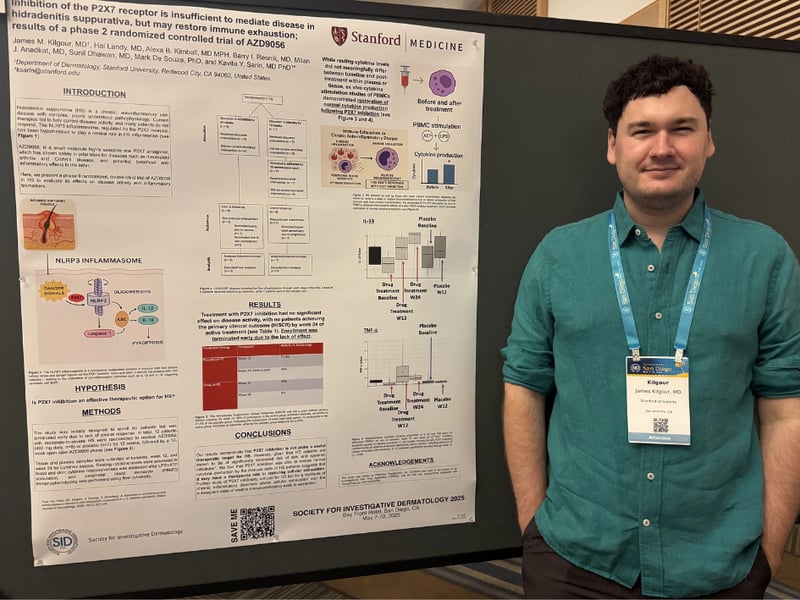
Pull a strand from your brush. Full, pigmented, intact — that’s not a dying hair. Something pushed it out, and that something is the scalp underneath.
Harvard proved it in 2020: a dying follicle moved into young scalp grew back; a healthy one moved into aged scalp died. The follicle never decided. The scalp did.
Biotin and collagen were never going to fix this.
They feed the hair. Your hair was never starving — your scalp was aging. It’s more building material poured into a factory that’s already shutting down.
Minoxidil isn’t wrong — it’s incomplete.
It forces blood to the surface, and if it’s helped you at all, you’re not imagining it. But the real problem — the aging scalp underneath — is one floor down, and minoxidil never goes there. It props up the top floor while the foundation keeps sinking.
Washing less doesn’t save your hair — it hides the shedding.
Stretching your wash days doesn’t mean less loss. It means the same loss, saved up into one bigger clump. What’s happening between washes is the problem — not the washing.
Thinning after 45 usually isn’t permanent.
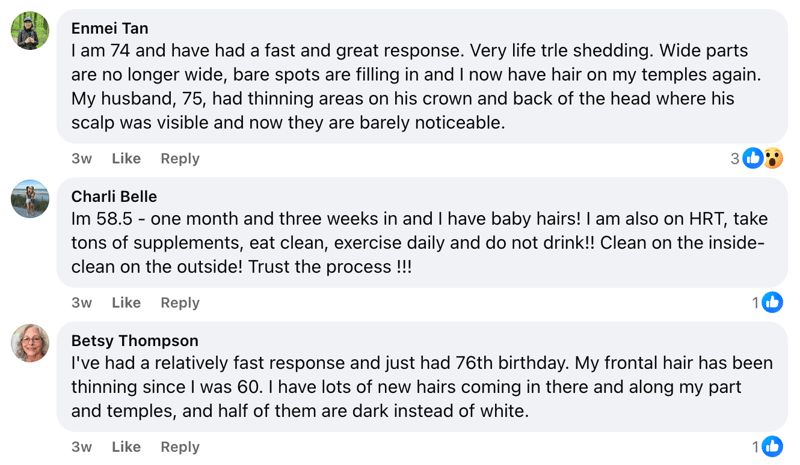
Read this one slowly. The hair you’ve lost isn’t gone — the follicles aren’t dead. They’ve gone quiet, waiting on a scalp that stopped feeding them.
Here’s how you tell: if the strands in your brush still have their structure, the follicle that made them is alive. It didn’t die. It’s starving. Feed the scalp, and it wakes back up — the shedding stops, then the part fills in.
Your doctor couldn’t have told you — until this June.
Normal bloodwork, “it’s just age” — both true, neither explained your hair, because the answer sits in a layer of skin no blood test checks and most dermatology training (built on studies of men) skips.
That changed this June, when the first women-only trial published in the Journal of Drugs in Dermatology. An independent lab counted every strand shed, by hand, before and after:
Minoxidil’s response rate in women is about 30%. A 98% response is a number you almost never see in dermatology. That’s why you’re only hearing this now.
Everything Above Was Pointing At One Thing
Every point above lands in one place: the scalp. So that’s what I spent years building for — the first serum designed to reverse the aging underneath your hair, not chase the strand like everything else. It’s the exact serum every woman in the trial used.
The KilgourMD Prevention Serum. Thirty seconds a night.
How it works
No hormones. No prescription. Nothing in your bloodstream — because the problem was never there. Zero side effects across the entire trial. 150,000 women on it. 1,000+ clinicians recommend it through FrontRowMD.
My 90-Day Guarantee
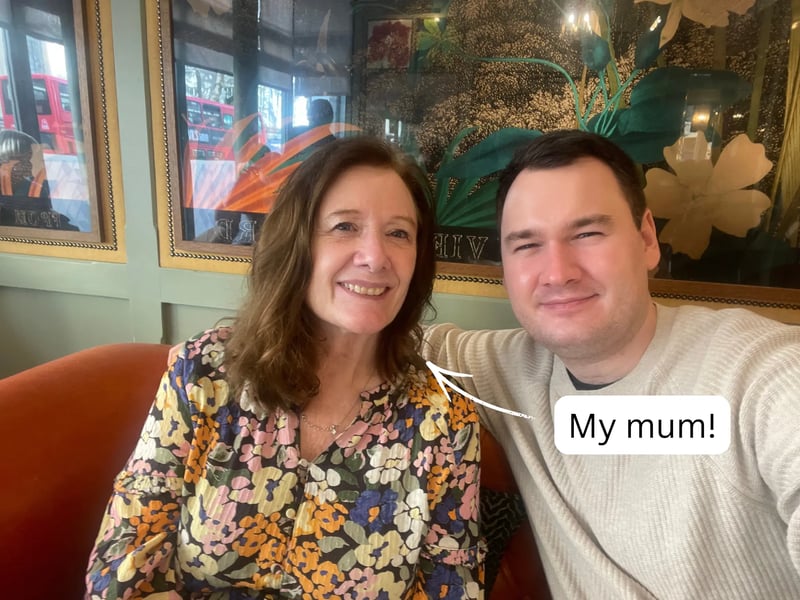
Use it every night for 90 days. If your hair isn’t visibly better, email me “it didn’t work.” Every penny back, keep the bottle. No forms, no return, no retention call.
My mother’s 68 now — two years on it, more density than she had at 55. This is the answer I couldn’t give her when she started losing it.
When 95 of 100 women stop shedding, the guarantee isn’t generous. It’s just honest.
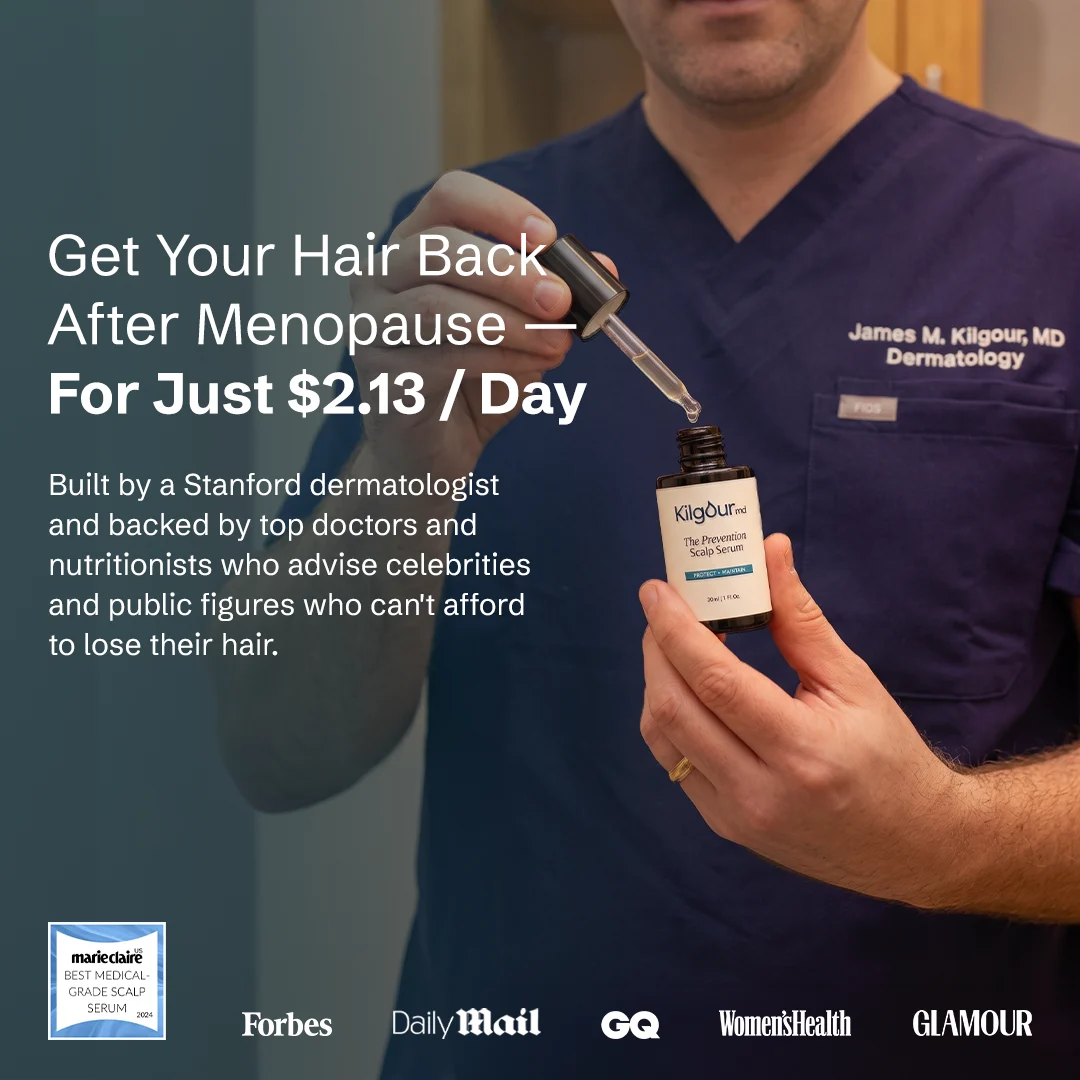
Picture the version most women never get to: the part closed back in, the ponytail that holds weight again, the morning you realize you haven't thought about your hair in a week.
That's not a promise — it's what 98 of 100 women in the trial walked toward, thirty seconds a night.
Here's the part nobody says out loud: the scalp doesn't pause while you decide. Every month you wait, the collagen thins a little more and a few more follicles go quiet. Doing nothing isn't holding steady — it's losing ground you'll have to win back later.
For most women over 45, the hair isn't gone. It's waiting on a scalp nobody ever treated. Thirty seconds a night, for 90 days, covered either way — that's how you find out which side of the line you're on.

— Dr. James Kilgour, MD · Board-Certified Dermatologist · Stanford-Trained
In Stock · Free Shipping · 90-Day Money-Back Guarantee