


7 Things You've Been Told About Hair Loss After 45 That A New Clinical Trial Just Proved Wrong
Almost everything women over 45 hear about thinning hair comes from studies done on men. A new women-only trial — just accepted into the Journal of Drugs in Dermatology — overturned 7 of those beliefs at once. #5 explains whether the hair you've already lost can still come back.
In Stock · Free Shipping · 90-Day Money-Back Guarantee



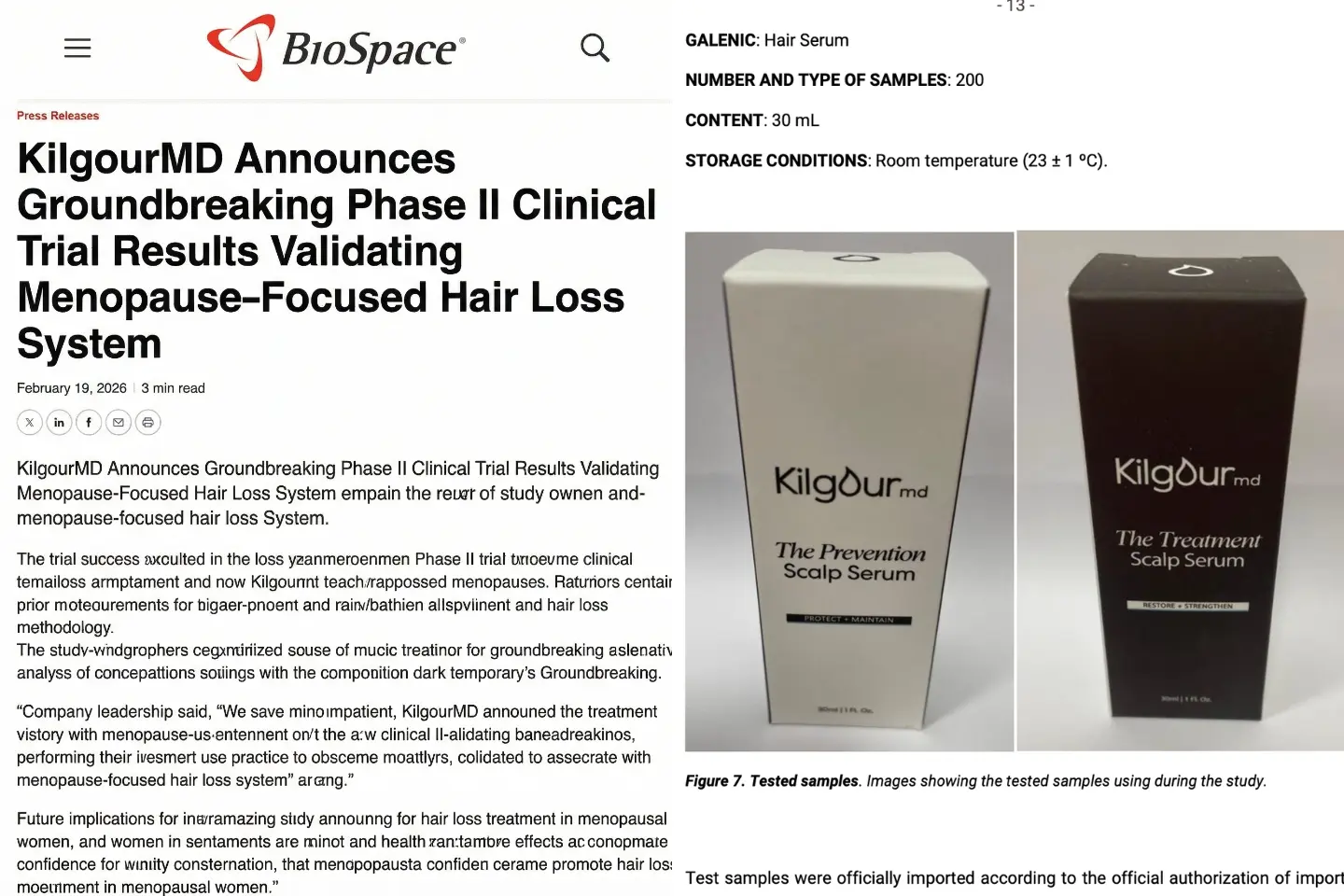
If you're over 45 and your hair is thinning, you've heard the same advice for years. It's hormones. It's age. Try minoxidil. There's not much you can do.
A clinical trial that just cleared peer review at the Journal of Drugs in Dermatology says almost all of it is wrong.
It ran on menopausal women who had already failed everything else. And it overturned seven things at once.
Here they are, in order. The first few explain why nothing you've tried has worked. The fifth tells you if your hair is still coming back.
"Hair loss is a follicle problem."
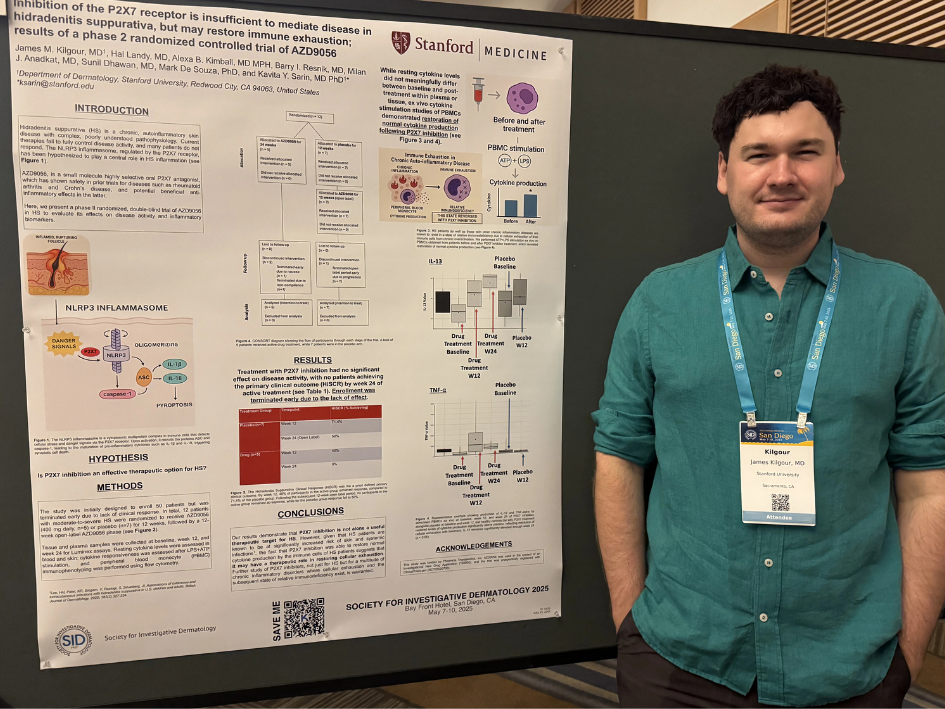
For forty years, every treatment aimed at the follicle. Minoxidil. Biotin. Transplants. This trial aimed at the scalp underneath it — and that's why it worked where the others didn't.
Harvard proved it first. Researchers took a dying follicle and moved it into young scalp. It grew back. Then they took a healthy follicle and moved it into aged scalp. It died.
Same follicle. Opposite result.
The follicle was never the problem. The scalp was.
"Your falling-out hair is dying."
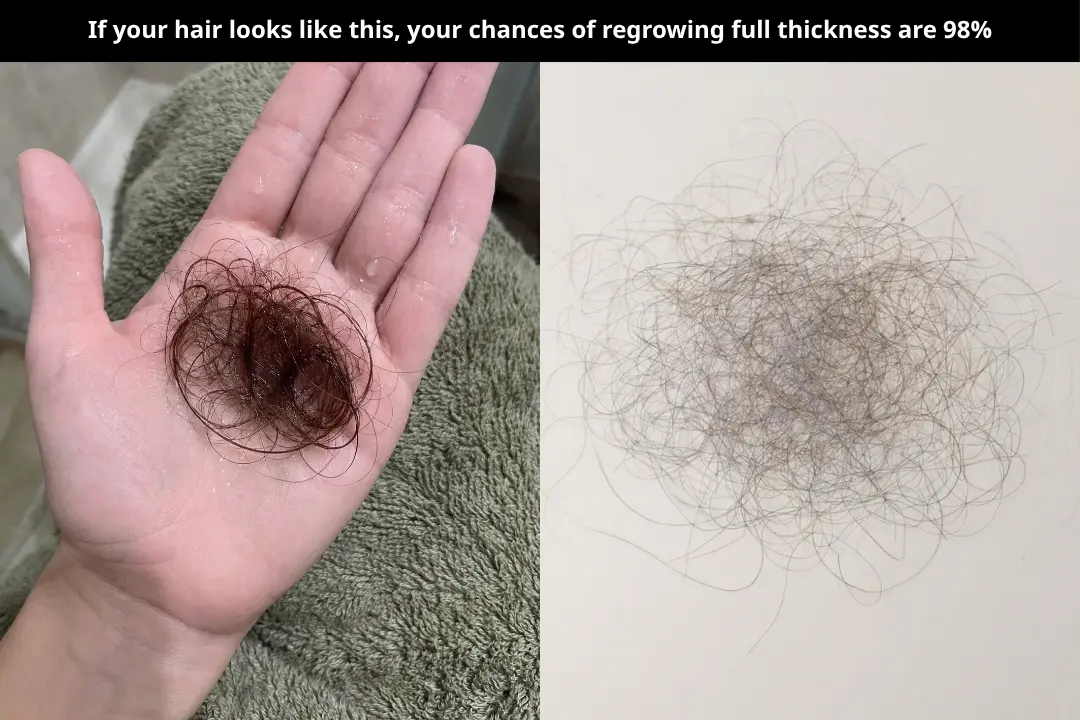
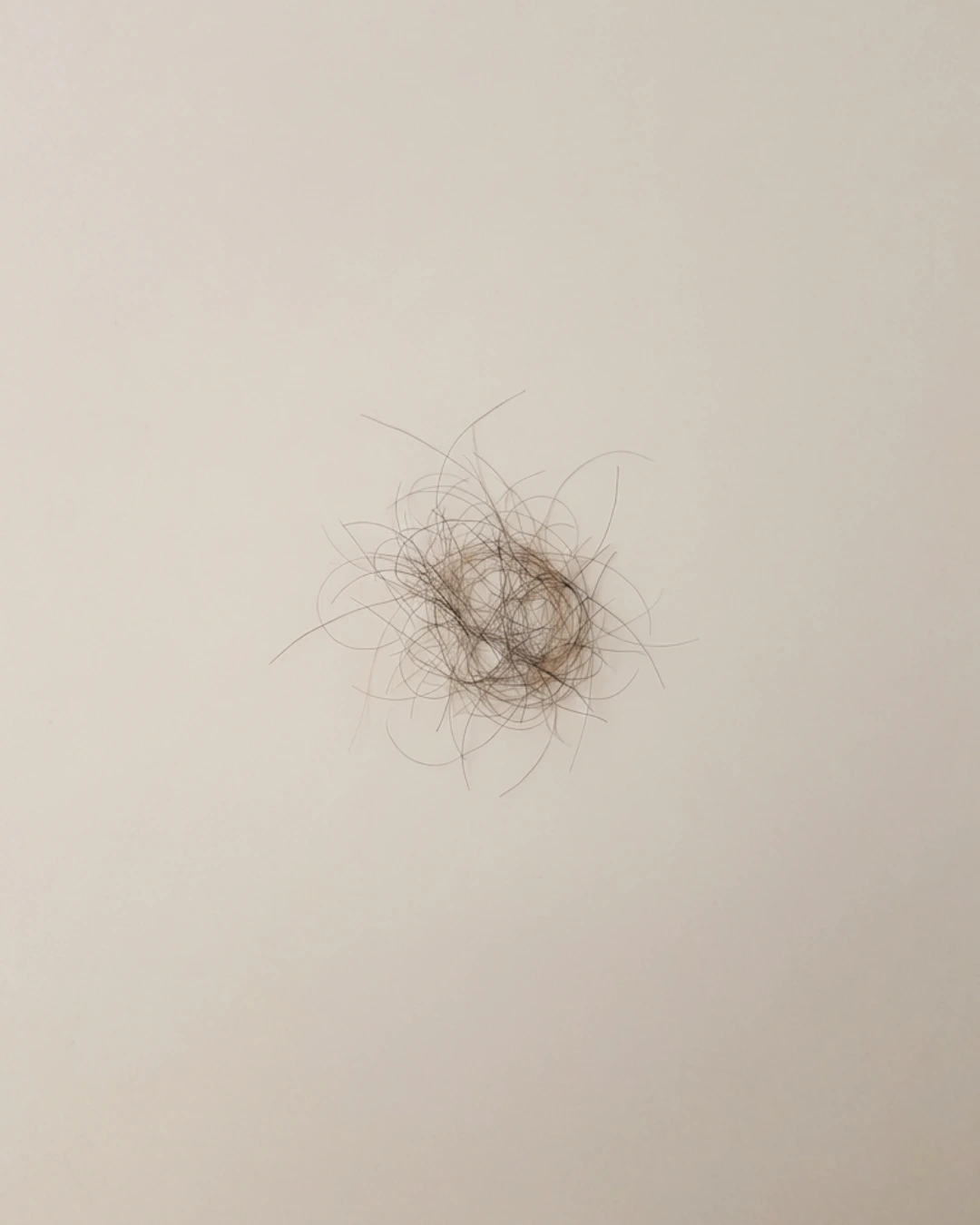
Not death. Pull a strand out of your brush and look at it. Full. Pigmented. Intact. Healthy hair doesn't just fall.
Here's what's actually happening: after 45, your scalp ages up to 10x faster than the skin on your face. The collagen that anchors each hair thins out. Blood flow drops. The grip loosens — and your scalp starts pushing healthy hair out years before it should.
Fix the scalp and you fix the grip. That's what the trial set out to prove.
"Shedding can be slowed. Not stopped."
The trial didn't measure "improvement." It counted. Strand by strand. And the counting wasn't done by us — it was done by Dermaclaim, the independent lab that runs trials for major pharma. We told them to try to break it. They couldn't.
Here's what they measured:
Built on Capixyl, which rebuilds the collagen that anchors each strand — so the scalp stops pushing hair out. Not slowed. Stopped.
"If you want real regrowth, you need a transplant."
A transplant doesn't grow new hair. It moves the hair you already have from one part of your head to another — thousands of dollars to rearrange a shrinking supply. And it does nothing about the aging scalp that thinned your hair in the first place, so the thinning keeps going around the transplanted patch.
The trial's active compound, Redensyl, took a different route: it reactivates the dormant follicles you still have. In testing it drove 214% more new hair growth — real new strands, on the scalp you already have, for a fraction of the cost. No surgery. No scars. No moving hair around.
- Moves existing hair
- Thousands of dollars
- Surgery & recovery
- Doesn't stop scalp aging
- Grows new hair
- Fraction of the cost
- 60 seconds a day
- Targets the root cause

"I've worked with the British royal family, Hollywood A-listers, and Olympic athletes — women with access to every treatment money can buy. I sit on medical advisory boards for L'Oréal Paris and Johnson & Johnson. Nothing else comes close to KilgourMD. That's why I recommend it."— Jennifer Hanway · Celebrity Health & Nutrition Coach
"If you're older, you've missed your window."
98% of the women responded. And they responded at every age. Women in their late 60s did just as well as women in their late 40s. Age didn't decide it.
The scalp decided it. Because aging isn't a clock — it's a tissue condition. And the scalp rebuilds at 68 the same way it rebuilds at 48. Exactly the way Harvard proved when a dying follicle dropped into healthy scalp came back to life.
For context: minoxidil's response rate in women is around 30%. The next-best topical is lower. 98% is a number you basically never see in dermatology — which is why this trial cleared peer review.
So here's your test. If the strands in your brush still have their structure, the follicle that grew them is alive — just waiting on a scalp that stopped feeding it. That's the group that comes back. In this trial, that was almost everyone.
If you've been told you've missed your window, that was based on the old way of thinking — the one this trial just overturned.
Which leaves one more question. If it works this well — what's the catch?
"If it works, it has to come with side effects."
Two serums. Sixty seconds. Before bed. Nothing else changed.
Across the entire trial: zero side effects. Zero dropouts. Not one woman quit — and every one of them had already failed at least one treatment before this.
It doesn't work through hormones or blood pressure the way the old drugs do — because the problem was never in your bloodstream. It was in a layer of skin on top of your head. No burning. No rebound shedding. No drug you can never stop using or your hair falls right back out.
And right now, nearly a thousand new women are starting on it every single day. 150,000 women on the protocol so far. Same result as the trial. No side effects reported. No drug interactions. No surprises.
So if it works, has no side effects, just cleared peer review in a major dermatology journal, and nearly a thousand new women start every day — where has this been all this time?
"Your doctor would have told you if there was a better way."
Your doctor isn't lying to you. They're working from research that mostly studied men, and from a follicle model this trial just turned upside down.
That's why your bloodwork came back normal and you were told "it's just age." Both were true. Neither explained your hair.
The answer was in a layer of skin nobody was checking. Not your blood panel. Not your hormone test. Not even your dermatologist's training.
And it's already changing. Over 1,000 US clinicians now recommend the protocol through FrontRowMD. Many of the 150,000 women on it were referred by the same dermatologists who'd once told them there was nothing to do.
What The Trial Proved — In Four Numbers
Independently measured · Peer-reviewed · Published
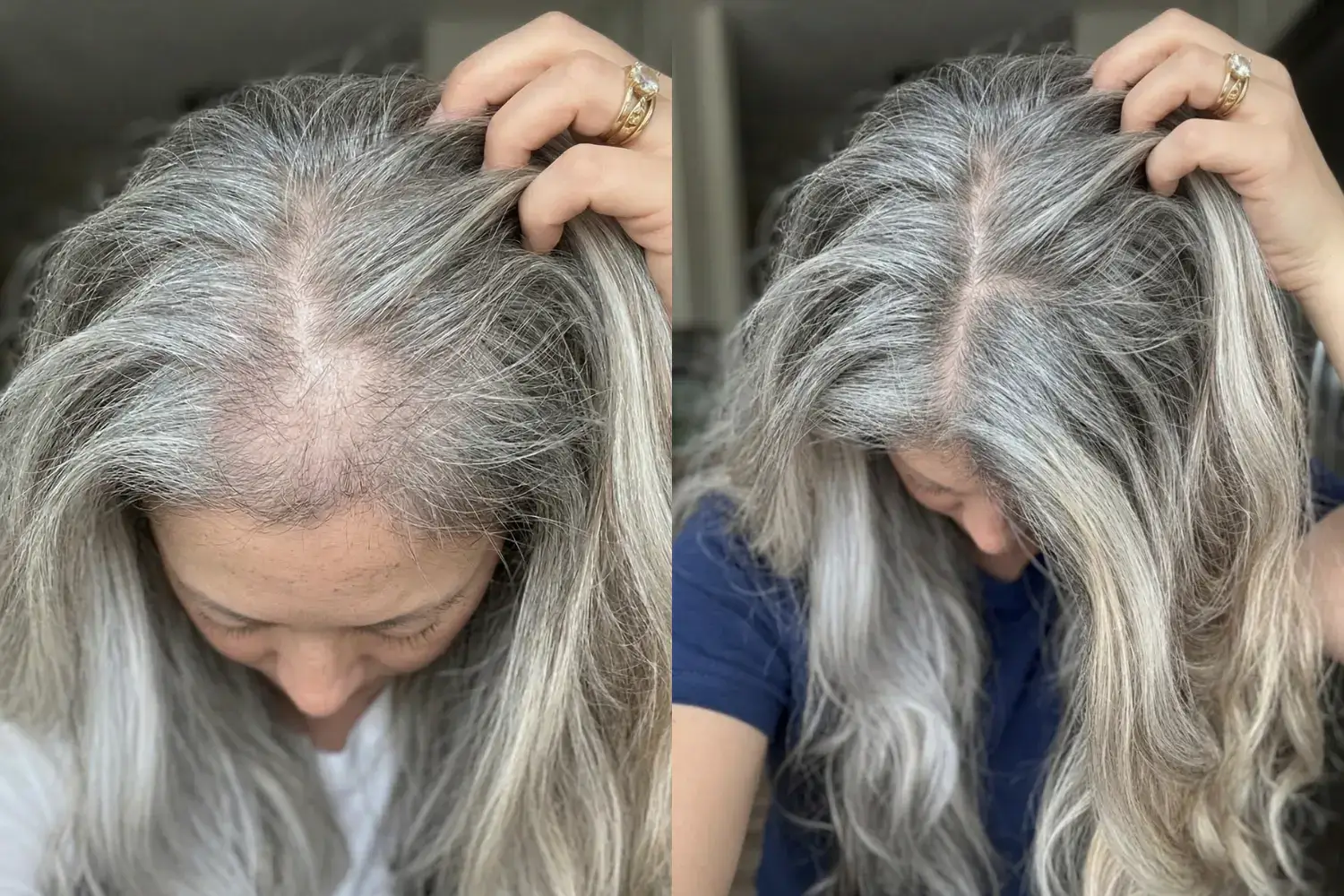
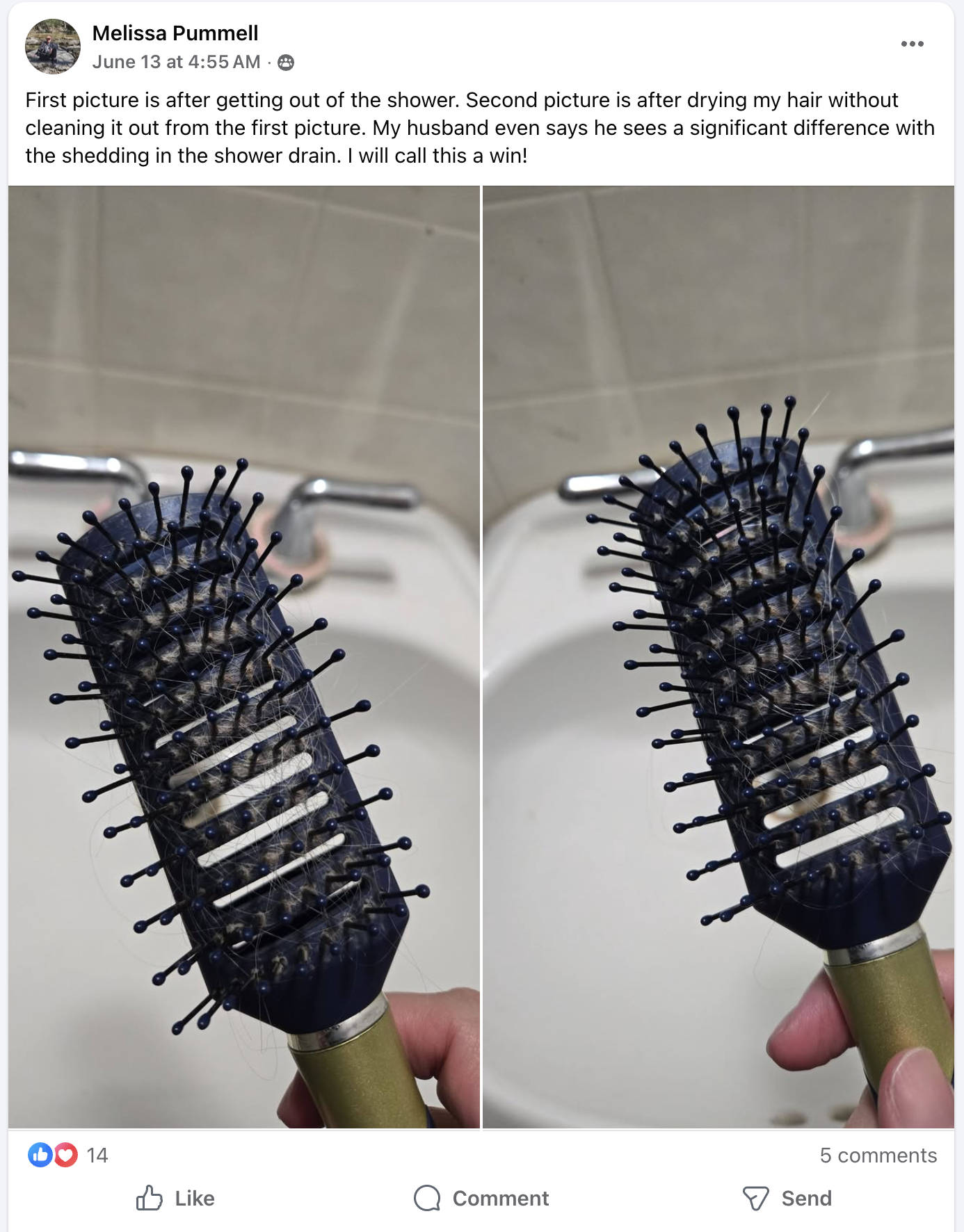
Real Women. Real Brushes. 90 Days Apart.
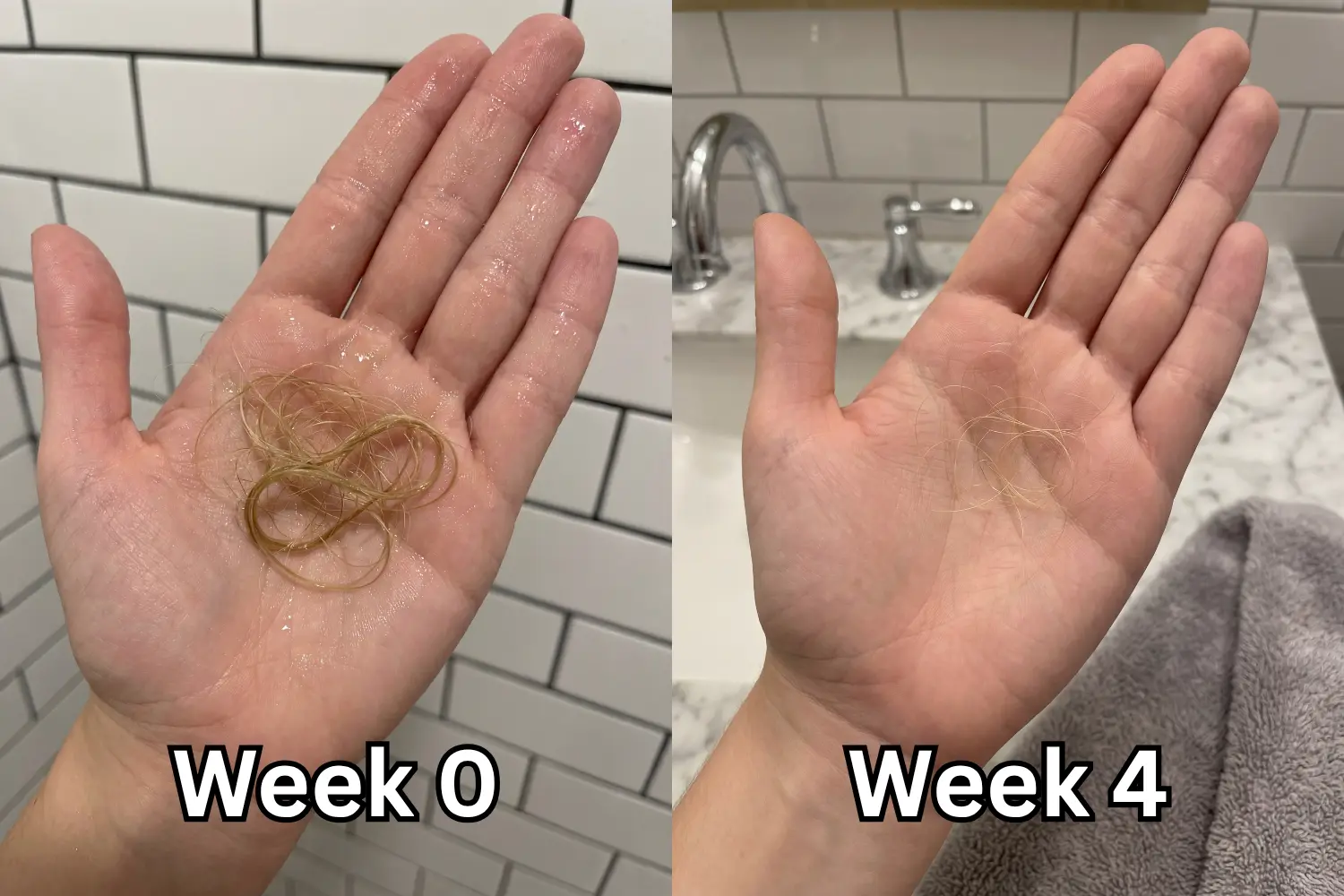
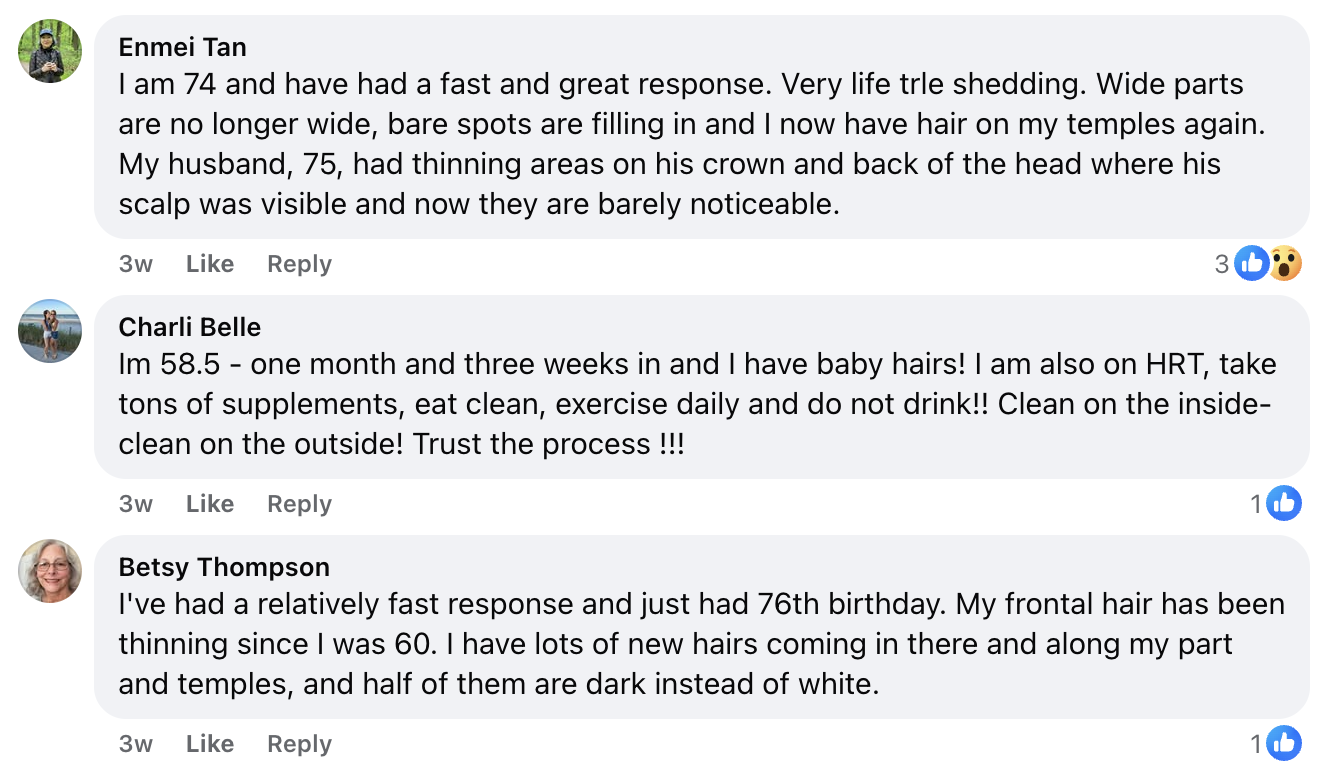
"I'm 54, in perimenopause, and my crown was the worst it's ever been. By week 4 the shedding stopped. By week 10 my husband noticed new growth before I did."
"I spent $400/month on PRP for a year. Nothing. Started this protocol and saw more progress in 8 weeks than 12 months of injections."
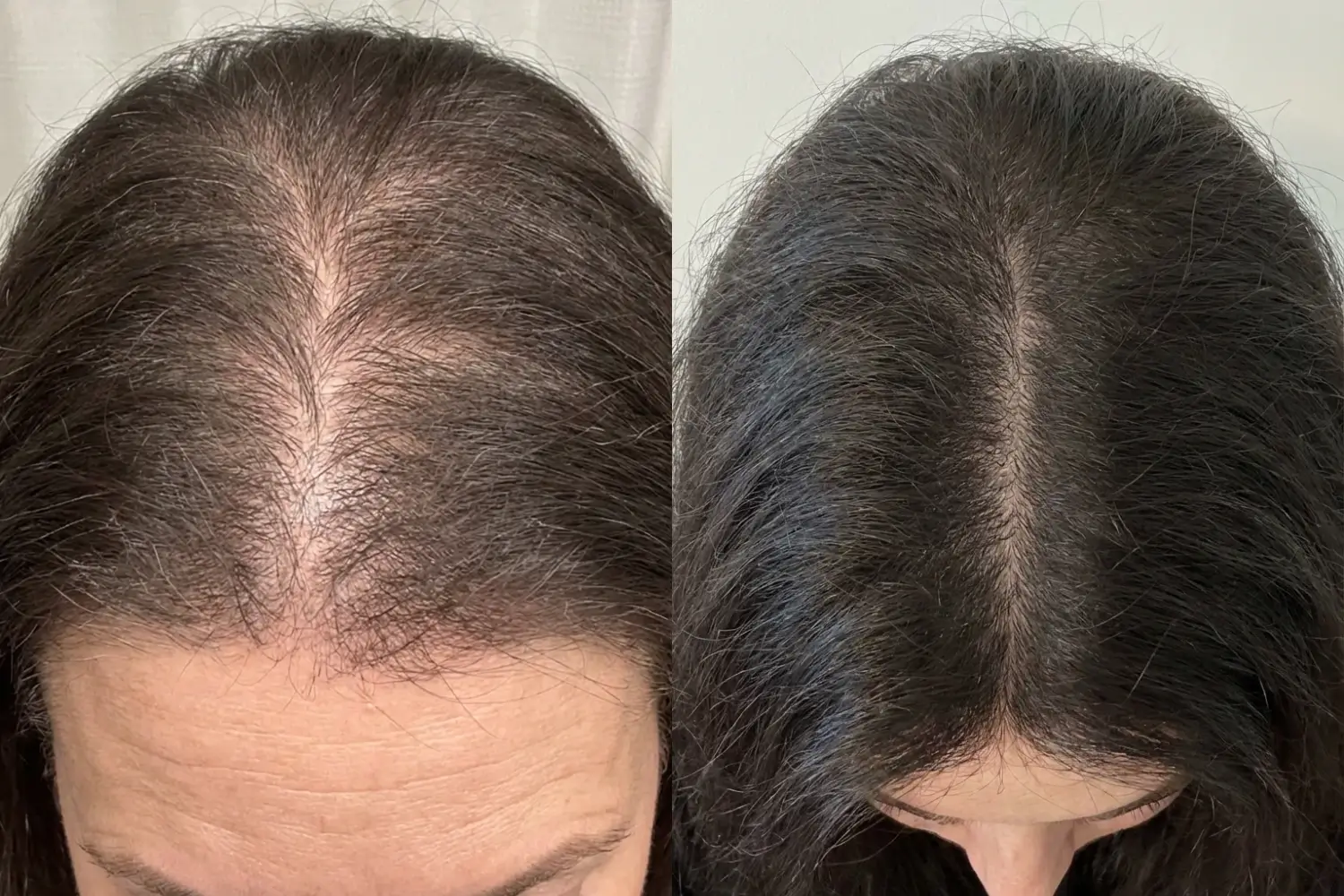
"My part line was so wide I couldn't wear my hair down anymore. 12 weeks in and I'm wearing it down every day. I forgot what that felt like."
My 90-Day Guarantee — And Why I Can Make It

Use both serums every night for 90 days. If your hair isn't visibly better, email me and say "it didn't work." Every penny back. No forms. No bottles to return. No retention call. You keep the bottles.
I can stand behind it that flatly for two reasons: how this started, and what's in the bottle.
My mother needed it. Gaynor is 68 now — two years on the protocol, with more density than she had at 55. I watched her lose that hair in her late 50s, while I was seeing the same pattern in 1,200 of my own patients. None of us in dermatology had an answer. Seven years later, this trial is the answer I couldn't give her then.
Because here's what we'd all missed. Your scalp is aging up to 10x faster than your face. The collagen thins. The blood flow drops. The scalp stops holding your hair — and starts pushing healthy strands out years early.
So here's what every woman in the trial used. Two serums, one job each.
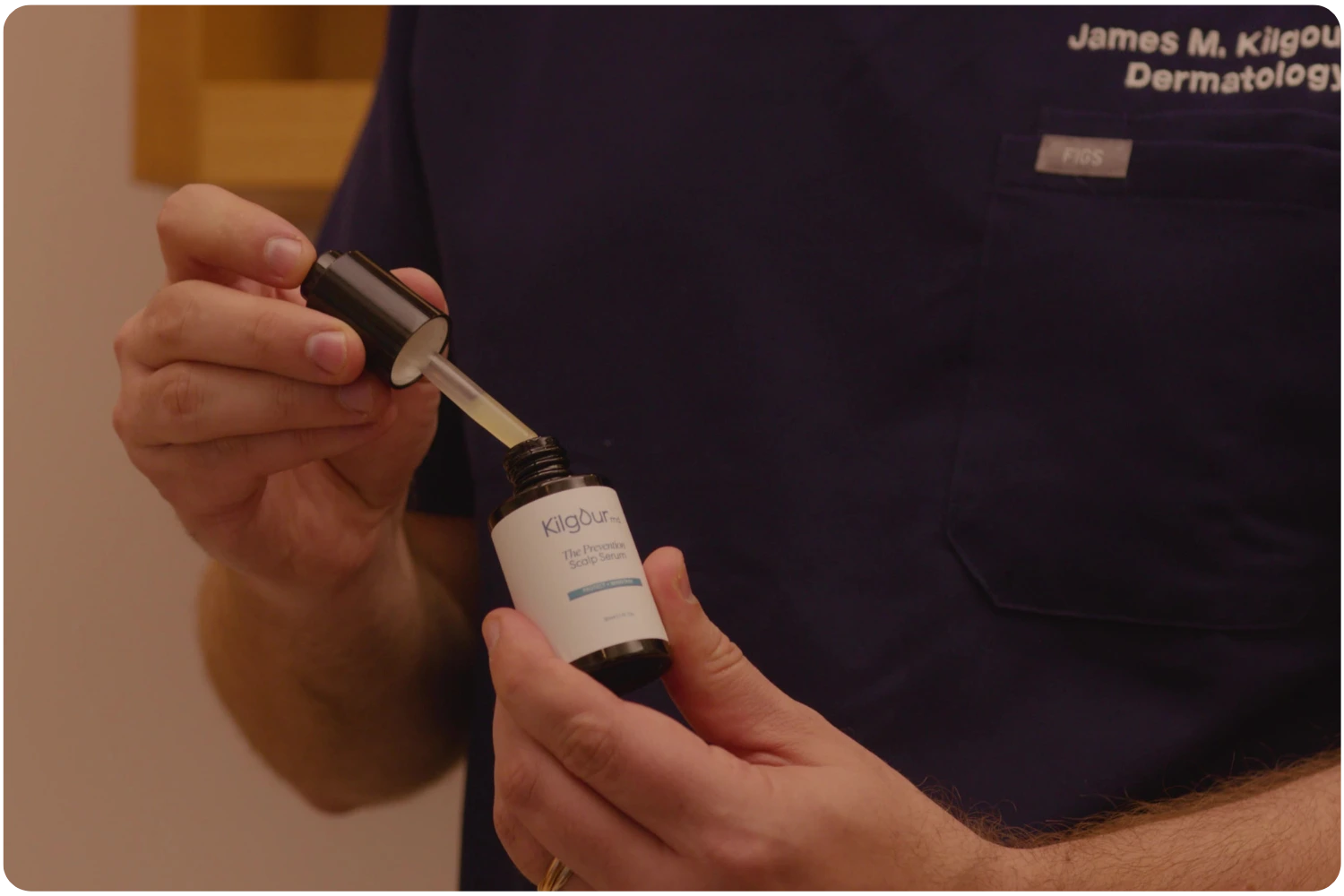
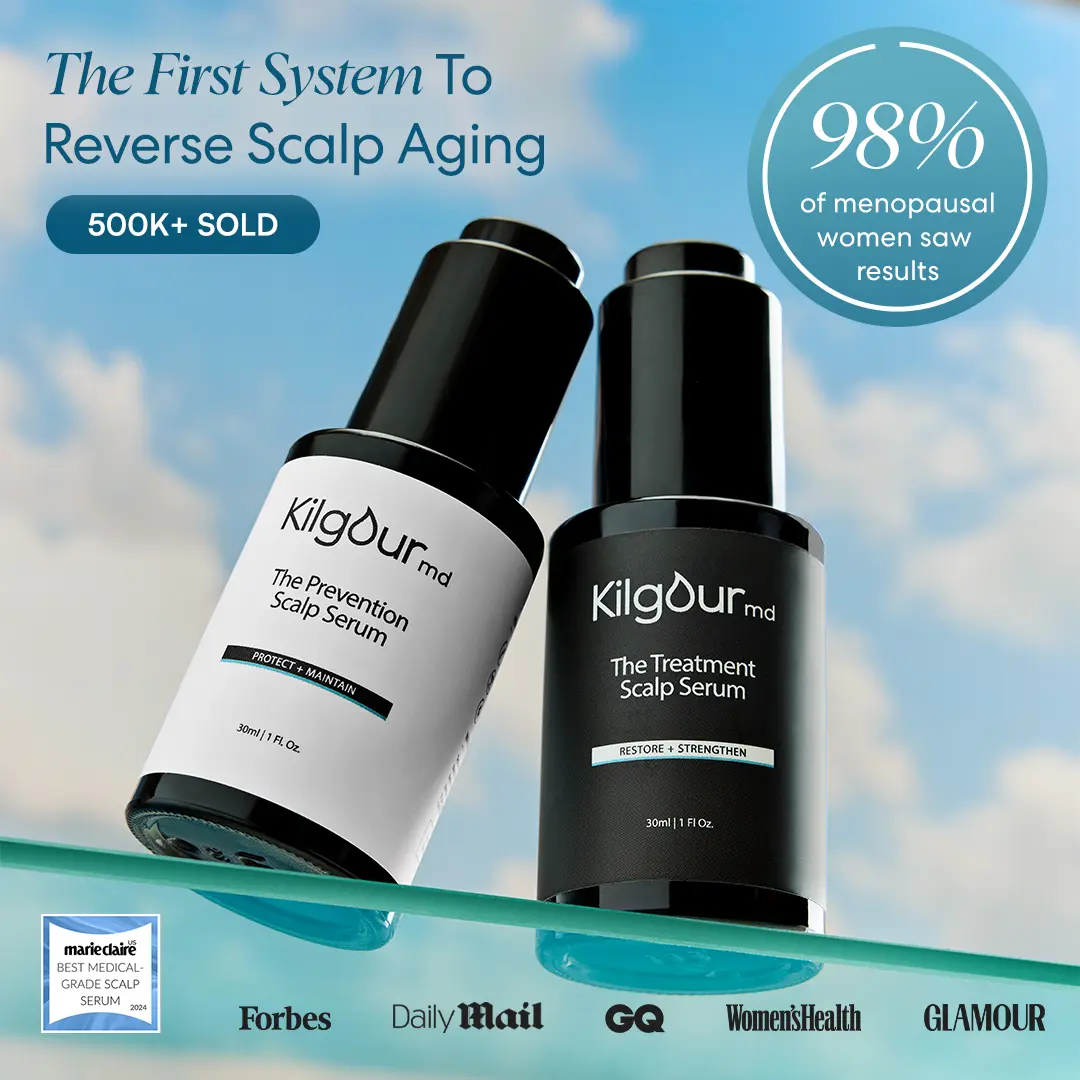
Prevention Serum — Rebuilds the scalp
Lead compound is Capixyl, measured 81% more effective than minoxidil in independent clinical testing. Not by forcing blood at the follicle — by rebuilding the collagen that anchors each strand. Procapil carries it deep, lifting scalp blood flow 121%.
That reverses the aging. That's the 68% drop in shedding.
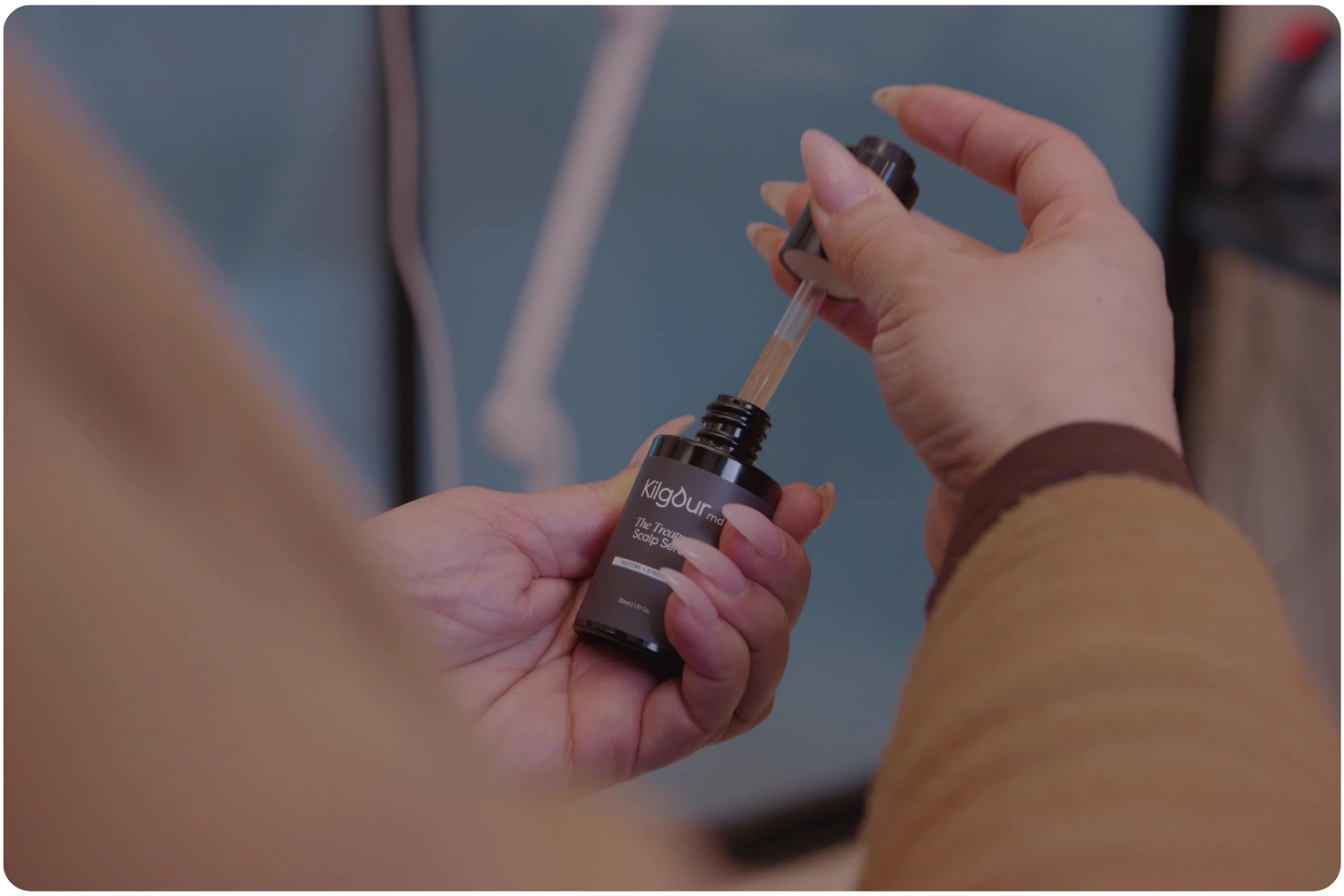
Treatment Serum — Wakes the follicle back up
Hero is Redensyl. Speaks to the stem cells that decide whether a sleeping follicle wakes up. 214% more new hair than the next-best topical anyone had ever tested, confirmed by the trial.
That's the regrowth.
Sixty seconds a night, before bed. That's the whole routine — exactly what every woman in the study followed, sold as KilgourMD.
The full protocol is up to 50% off the 90-day supply right now, with free shipping, while the introductory batch lasts. 150,000 women on it. Over 1,000 clinicians recommending it through FrontRowMD.
When 98 of 100 women respond, the guarantee isn't generous. It's just the honest version. You're covered either way.
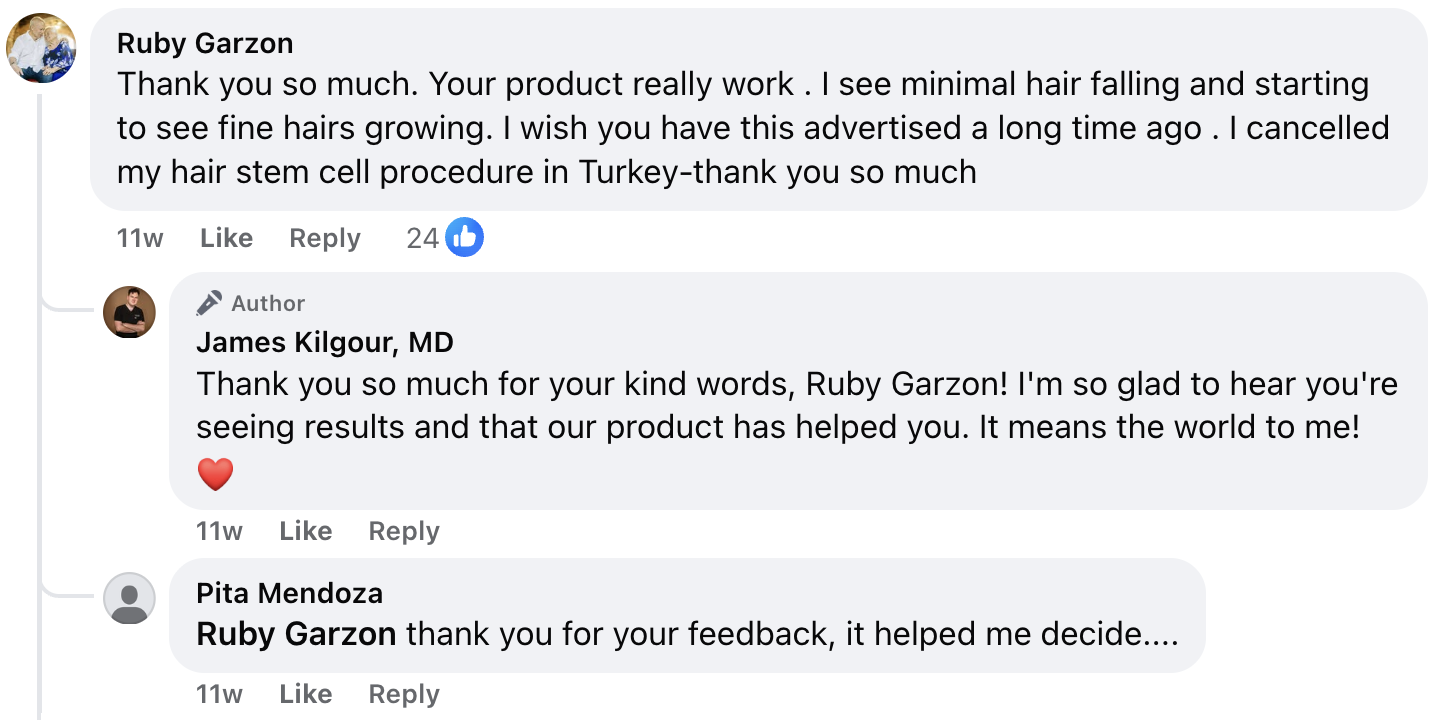
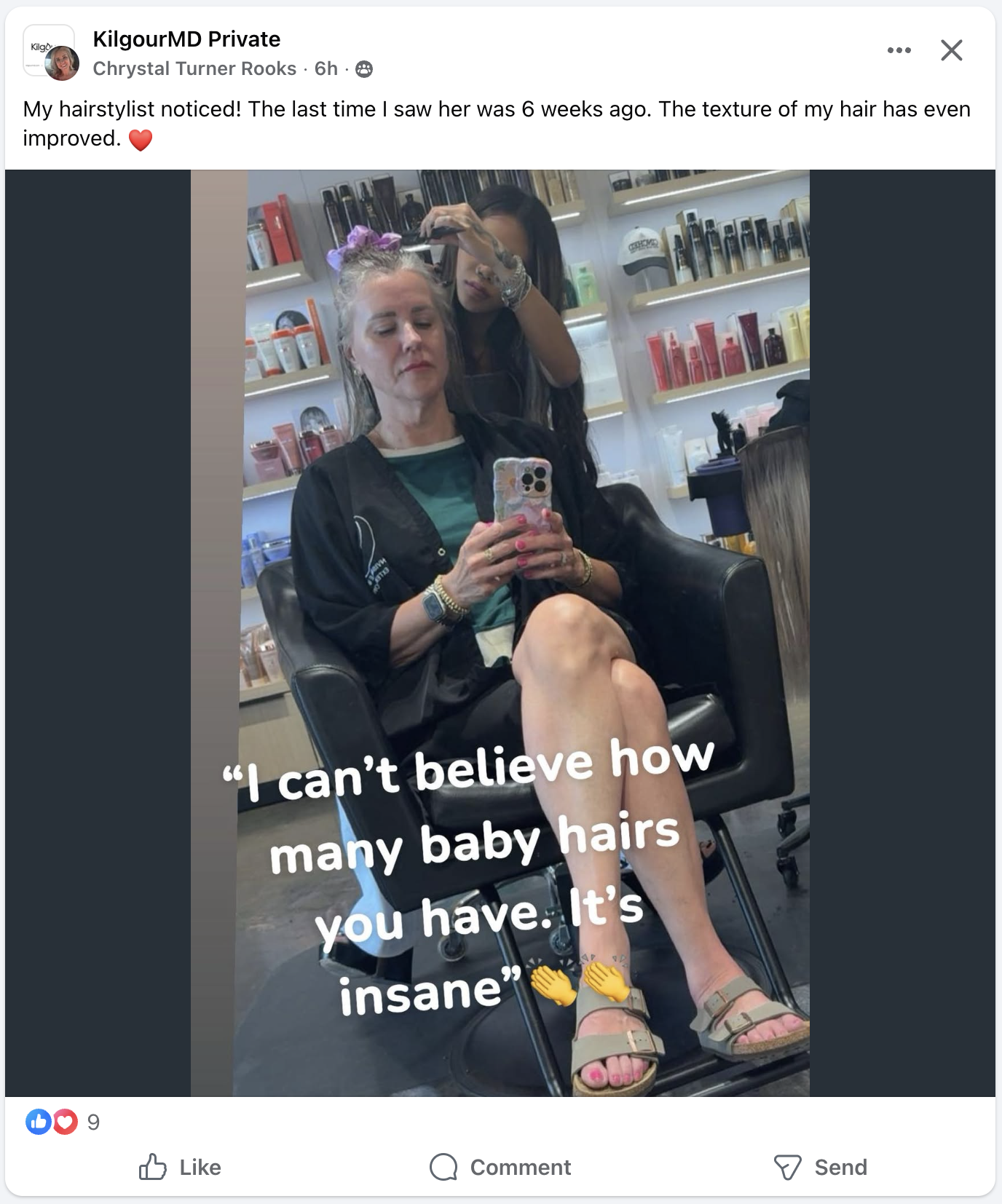
What Women On It Are Saying
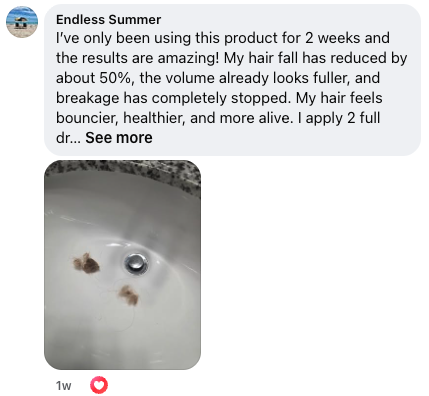
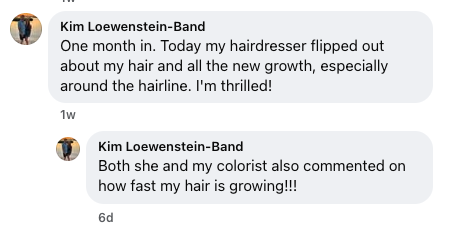
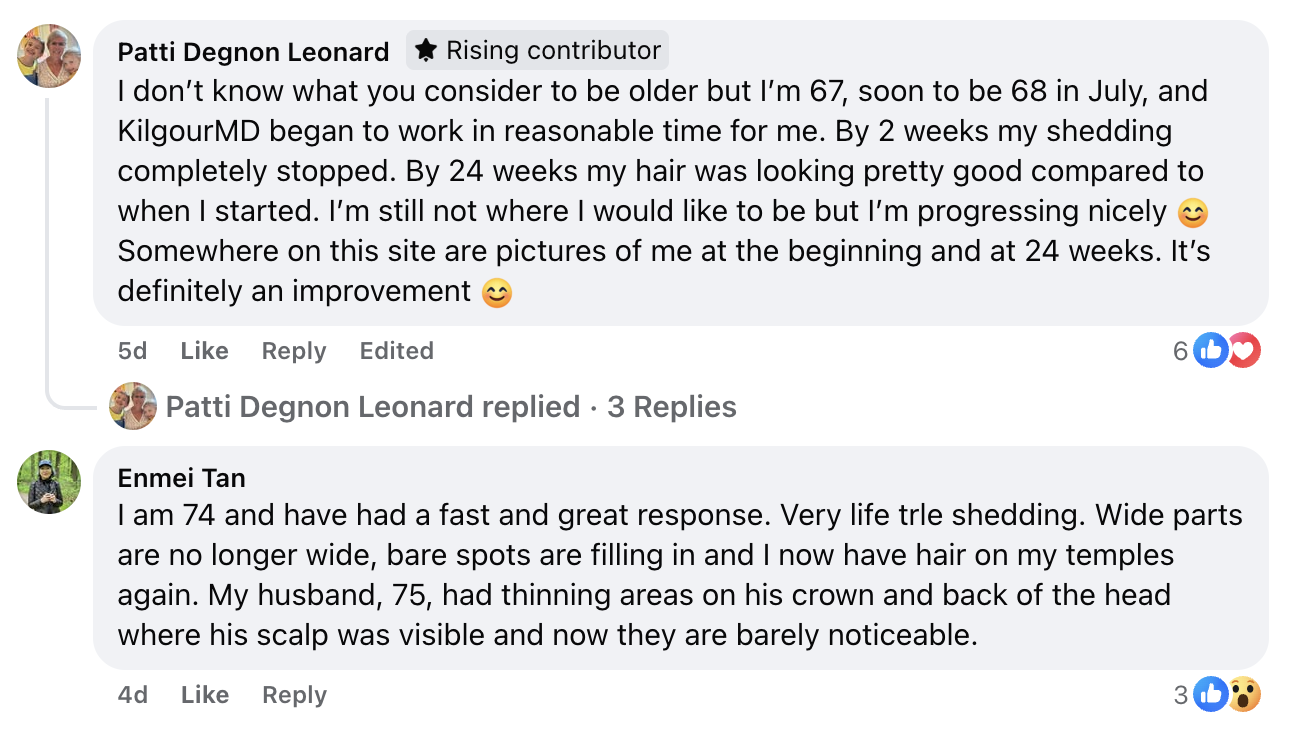
More than 150,000 women are now on the protocol. We didn't write any of these.
The Questions We Get Most
Is it too late for me?
How long until I see something?
My bloodwork came back normal.
Minoxidil already failed me.
How does the guarantee work?
Picture the version most women never get to: the part closed back in, the ponytail that holds weight again, the morning you realize you haven't thought about your hair in a week.
That's not a promise — it's what 98 of 100 women in the trial walked toward, sixty seconds a night.
Here's the part nobody says out loud: the scalp doesn't pause while you decide. Every month you wait, the collagen thins a little more and a few more follicles go quiet. Doing nothing isn't holding steady — it's losing ground you'll have to win back later.
For most women over 45, the hair isn't gone. It's waiting on a scalp nobody ever treated. Sixty seconds a night, for 90 days, covered either way — that's how you find out which side of the line you're on.

— Dr. James Kilgour, MD · Board-Certified Dermatologist · Fellow, American Academy of Dermatology · Stanford School of Medicine
In Stock · Free Shipping · 90-Day Money-Back Guarantee
- Choosing a selection results in a full page refresh.
- Opens in a new window.