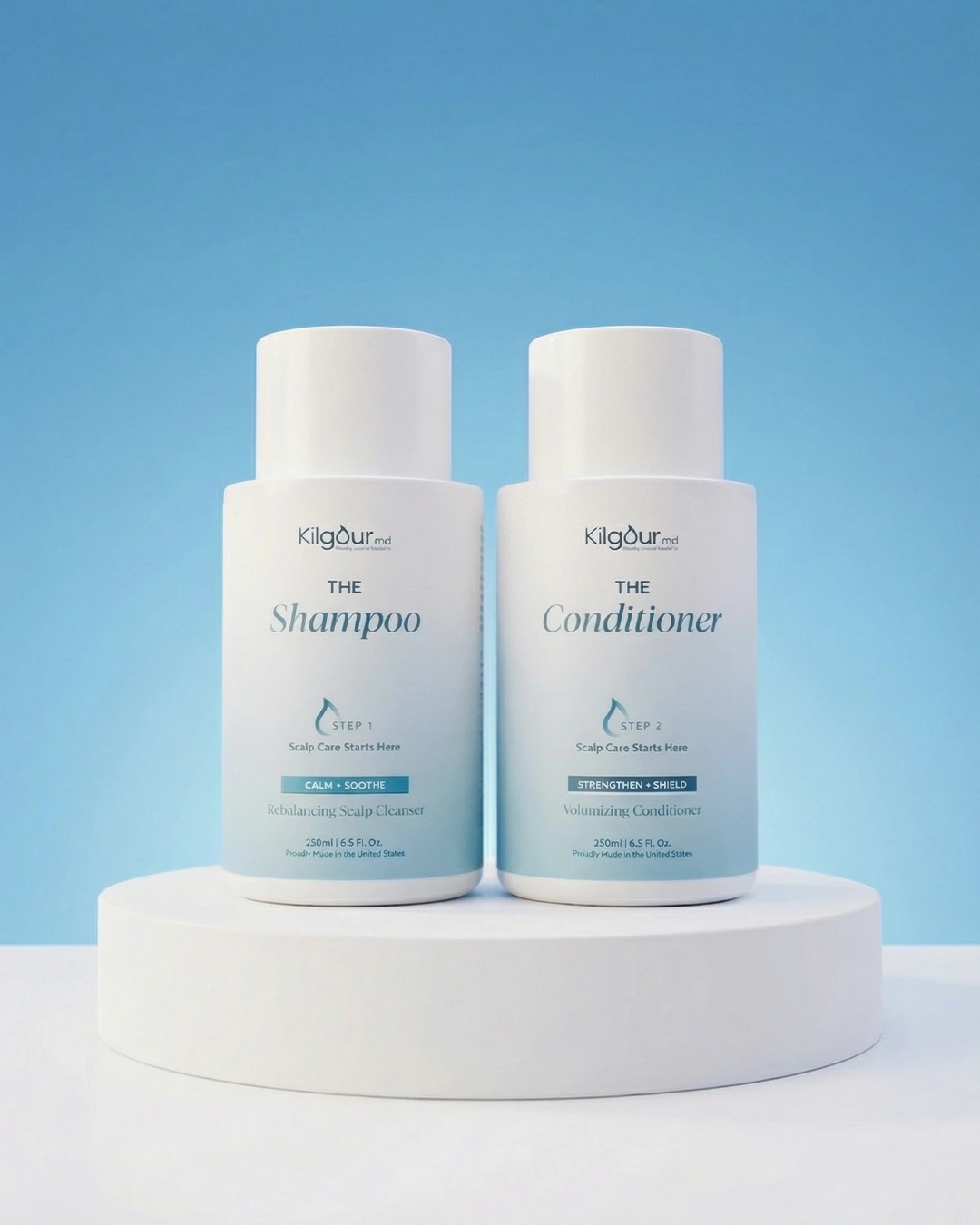


6 Reasons Women Over 50 With Fine, Thinning Hair Are Switching to KilgourMD
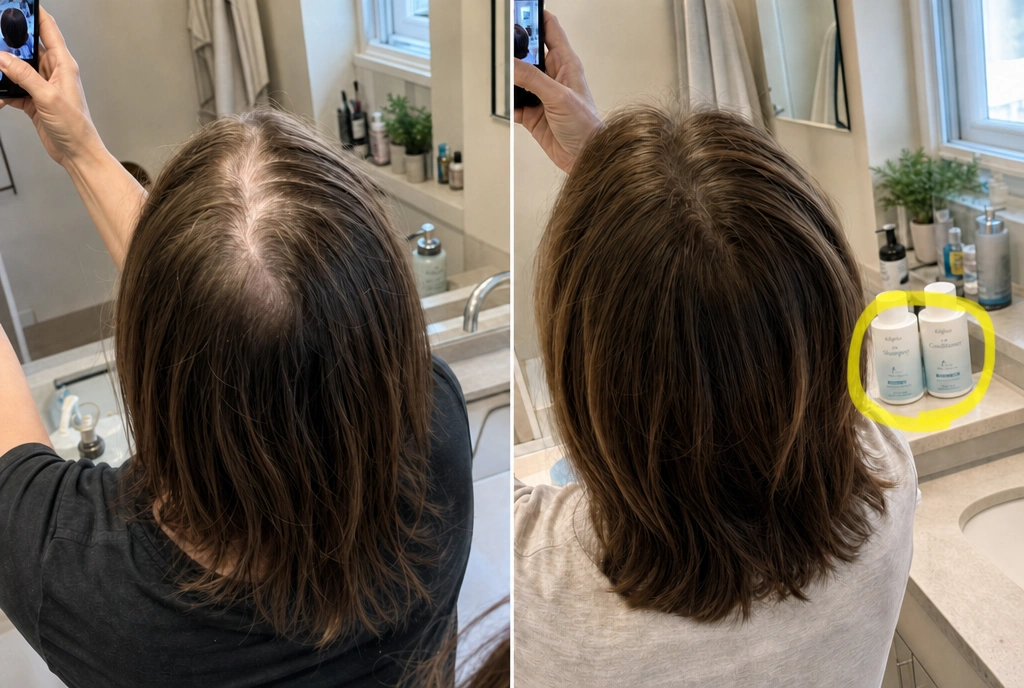
I have treated women with fine, thinning hair for years. Most had spent years trying to regrow what they had lost.
At Stanford, I was trained to look past the symptom and study the biology underneath it.
What I found changed how I understood menopausal hair completely.
Women after 50 were not simply losing more of the hair they had at 30.
Their scalps were holding onto each hair differently and building a different kind of strand.
So I built a wash system around both changes.
My patients began seeing less hair in the drain, fewer broken pieces in their brushes, and more visible coverage from the hair they already had.
To understand how, we have to start with the different hair your scalp grows after 50.
Sold

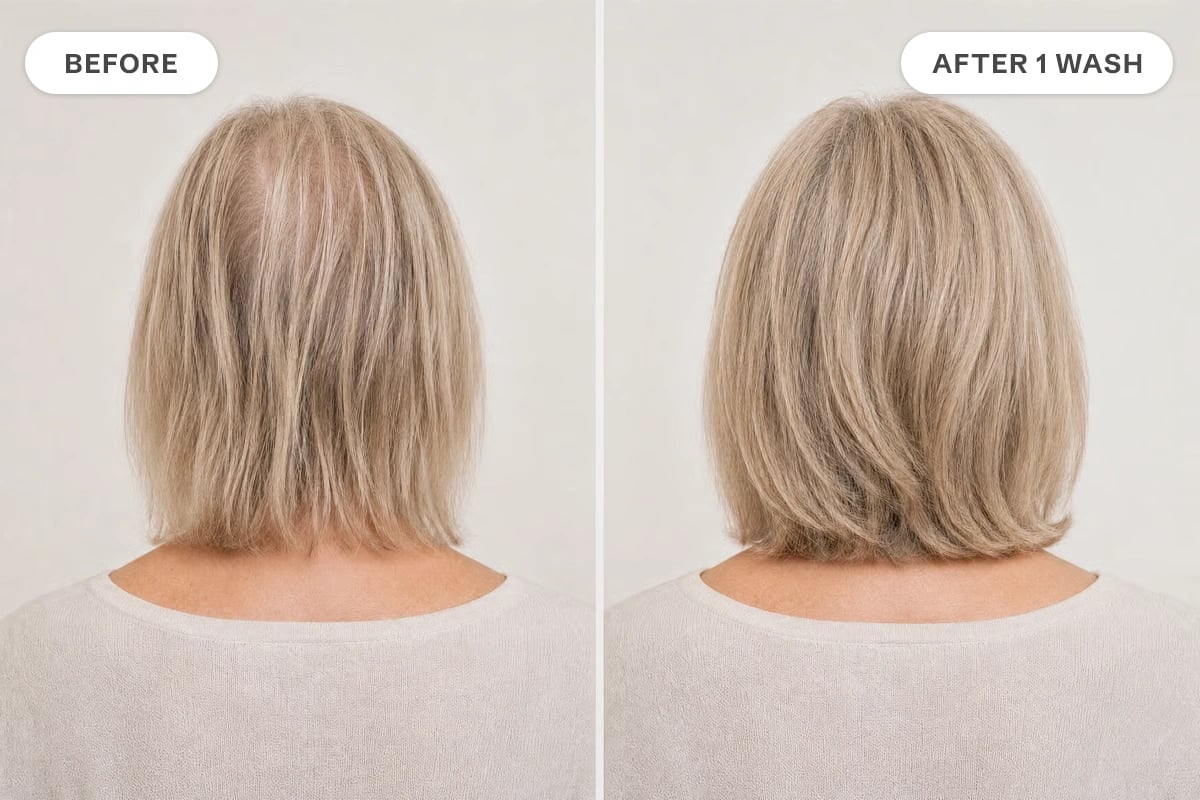
It makes thinning areas look fuller after one wash
After 50, you are not simply losing more of the hair you had at 30.
Your scalp begins growing a different kind of hair.
Researchers writing in the Journal of Structural Biology called this an “aged hair program.”
And a British Journal of Dermatology study involving researchers from UCSF and Royal Hallamshire Hospital showed what that means for fullness.
Among 1,099 women over 45, hair loss was only part of the change.
After ages 40 to 45, each strand also began losing diameter.
Think about it. You have around 100,000 hairs on your head. You would never notice one strand becoming 20% thinner. But when it happens across all 100,000, your part widens, your scalp shows through and your ponytail shrinks.
That is why I built the Conditioner around KeraShaft V®.
Its tiny peptides pass inside each strand and reinforce it from within, instead of leaving another coating on the outside.
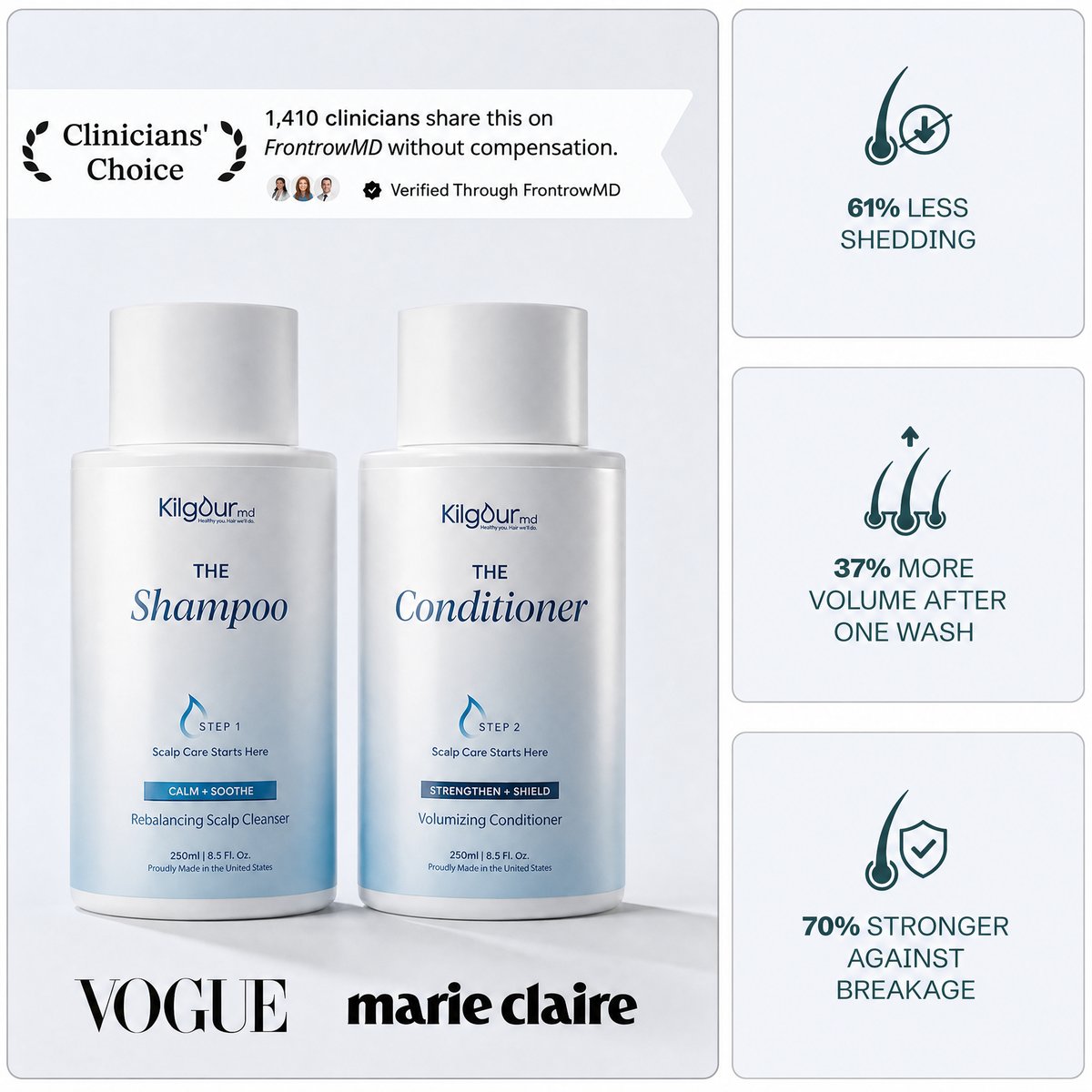
That gives thin hair up to 37% more visible volume after one wash.
No waiting for new hair. The hair you already have creates more coverage immediately.
It hydrates fine hair without flattening it
The different hair your scalp grows after 50 needs more protection than the hair you had at 30.
But because every strand has less diameter, it can also carry less weight.
That traps you between two bad choices.
Use a rich conditioner and the heavy coating collapses your volume, clumps your strands together, and reveals more scalp.
Use too little and knots create more pulling, brushing, and breakage.
So I built the Conditioner to protect fine hair from within instead of weighing it down from the outside.
That is why I chose ResistHyal®.
Its tiny hyaluronic acid molecules travel 5.9 times deeper inside each strand and hold moisture from within.
You get soft, hydrated hair without the weight that flattens your roots.
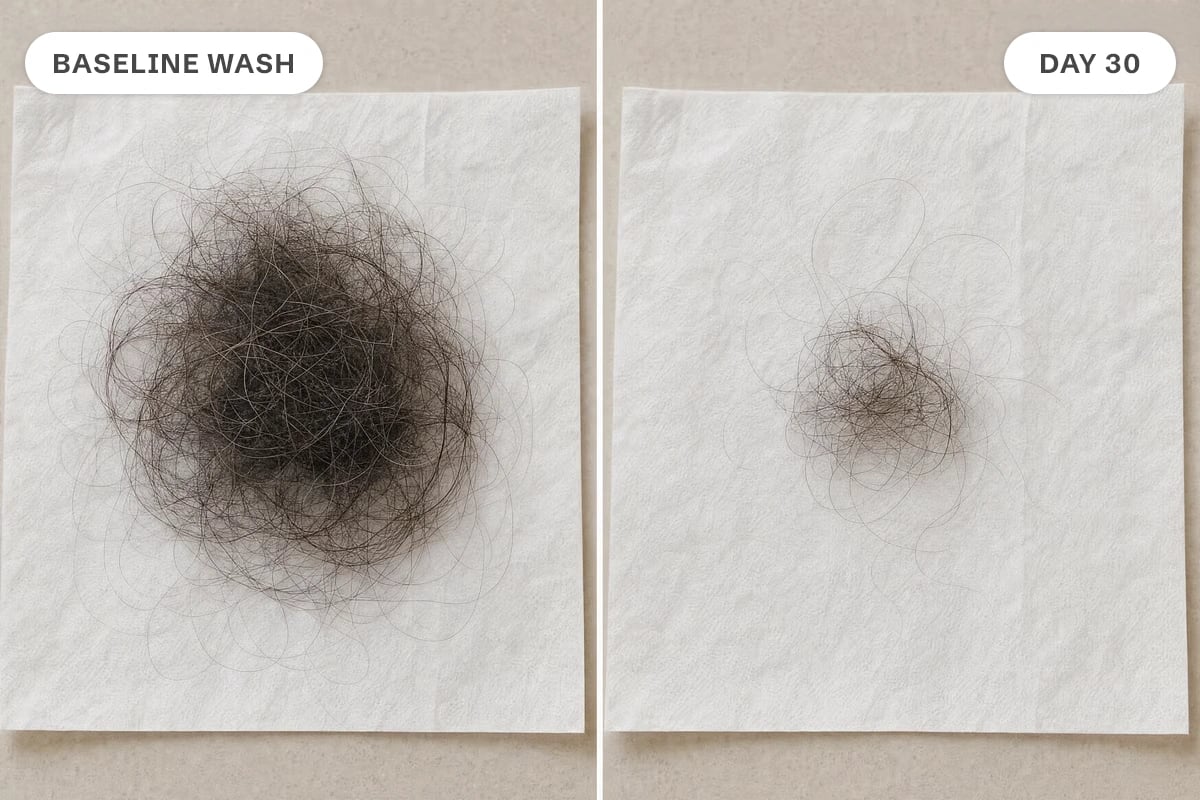
It reduces shedding by 61%
After 50, the scalp holding each hair becomes easier to disrupt.
That makes ordinary shampoo a problem.
Clean aggressively enough to remove the buildup, and sulfates strip the protection your scalp has left.
Go gentle enough to avoid stripping, and oil and residue remain around the roots.
Neither option addresses the locally produced DHT underneath.
So I removed sulfates.
Then I combined CutiBiome CLR®, which helps calm the environment around the roots and reduce local DHT production, with resveratrol, an antioxidant shown to reduce shedding by 61%.
Every wash now helps keep more full-length hairs out of the drain and on your head.
It clears oily roots without stripping the scalp
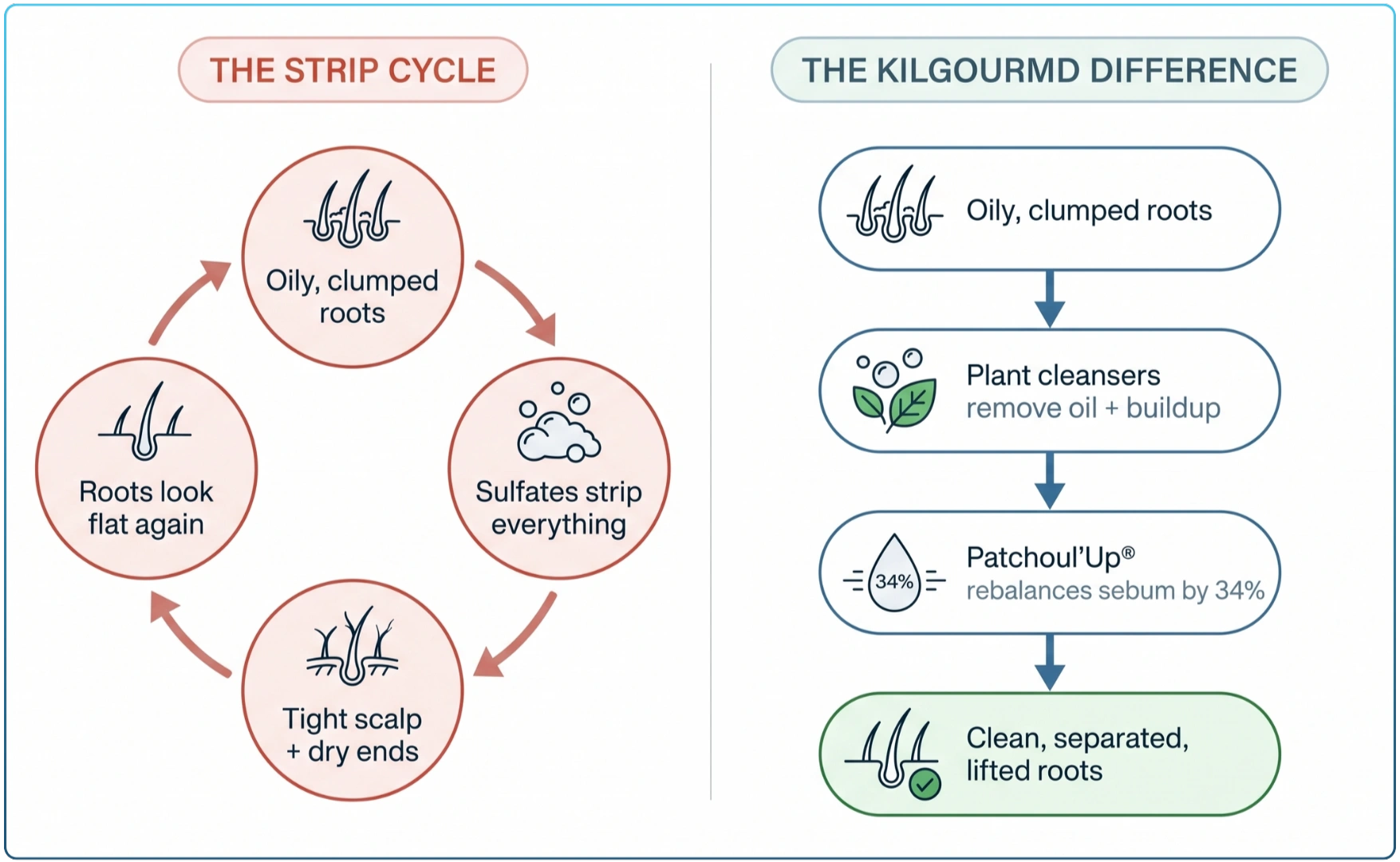
Oily roots create a Goldilocks problem.
Clean too aggressively and you strip the scalp.
Clean too gently and oil stays behind, clumping your strands together, collapsing your roots, and revealing more scalp.
The changed scalp you have after 50 needs both:
Enough cleansing to clear the buildup.
Enough protection to avoid stripping.
So I replaced sulfates with four coconut and plant-based cleansers that remove oil and buildup without stripping the scalp.
Then I added Patchoul’Up®, which rebalanced sebum by 34% in testing.
Clean roots. Lifted strands. No tight scalp or dried-out lengths.
It makes thin menopausal hair 70% stronger against breakage
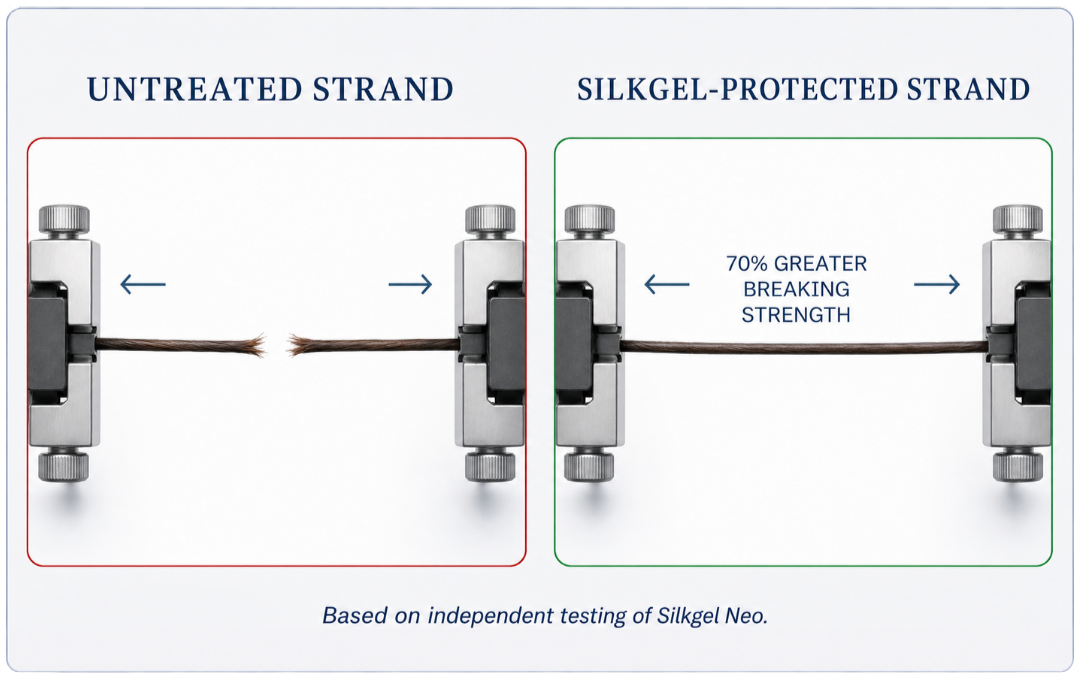
The “aged hair program” does not simply produce a strand with less diameter.
Researchers also found fewer protective layers around the outside and less resistance to breakage.
That means the clump in your drain can contain two things:
Full-length hairs released from the scalp.
And shorter pieces that snapped somewhere through the lengths.
Shedding reduces the number of hairs on your head.
Breakage destroys the length and body of the hair still growing.
That is why I added Silkgel Neo®.
It forms a thin, flexible shield around each strand, making hair 70% stronger against breakage without leaving it stiff or heavy.
This is where the whole system comes together.
The Shampoo keeps more hair on your head. KeraShaft V® gives each strand more visible volume. Silkgel Neo® helps that hair survive through the lengths.
Less shedding. Thicker-looking strands. Less breakage.
That is how your ponytail starts looking and feeling fuller again.
More than 1,000 physicians recommend it through FrontrowMD

The ingredients inside this system are supported by more than 20 clinical studies.
But before the studies, the physician recommendations or my name on the bottle, there was my mother.
I was training at Stanford as a dermatologist when her hair started thinning through menopause. I understood the science, but I could not find a Shampoo and Conditioner built for the different hair and scalp she had after menopause.
So I built the two bottles I wanted her to have.
Today, more than 1,000 physicians recommend KilgourMD through FrontrowMD to women dealing with the same thing.
Every bottle is made in the USA, vegan and cruelty-free.
after one wash
scalp oil
shedding
breakage
Hear From The 10,000 Women Who Got Access To Our First Batch:

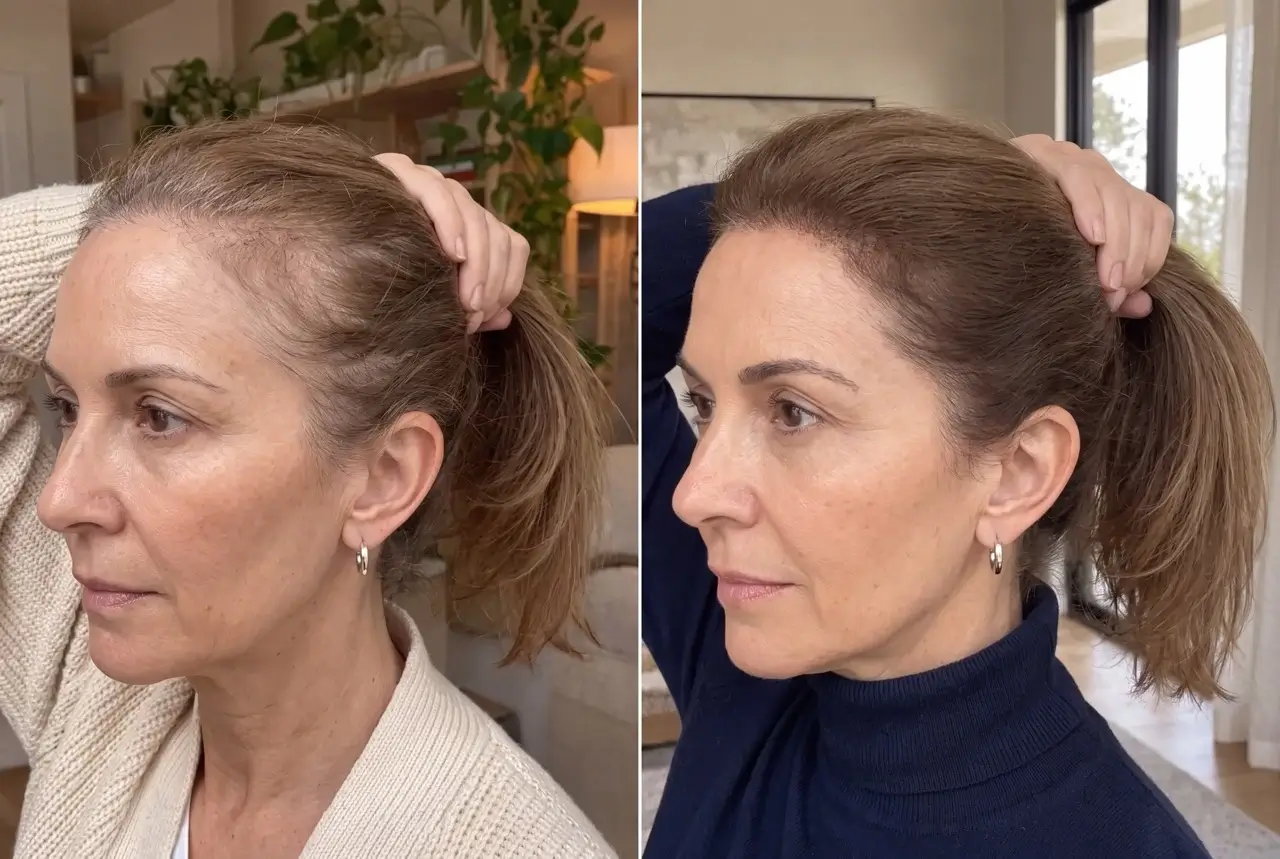
“I started seeing little baby hairs around my temples, and this time they actually seemed to keep growing instead of falling out or breaking off. It’s not like I suddenly grew hundreds of new hairs. The hair around my temples just looks so much thicker and fuller now. I noticed it pretty quickly, and when I put the photos side by side, the difference was impossible to miss.”

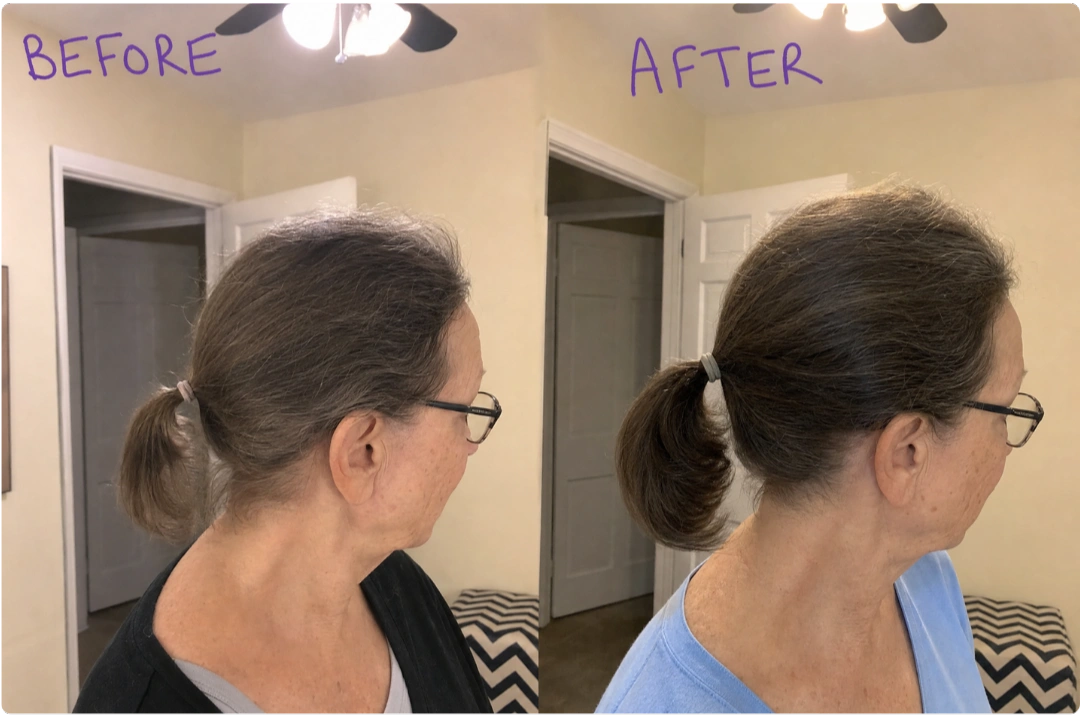
“My ponytail had become so thin and wispy. Now it looks fuller, feels thicker in my hands and even the color looks richer.”

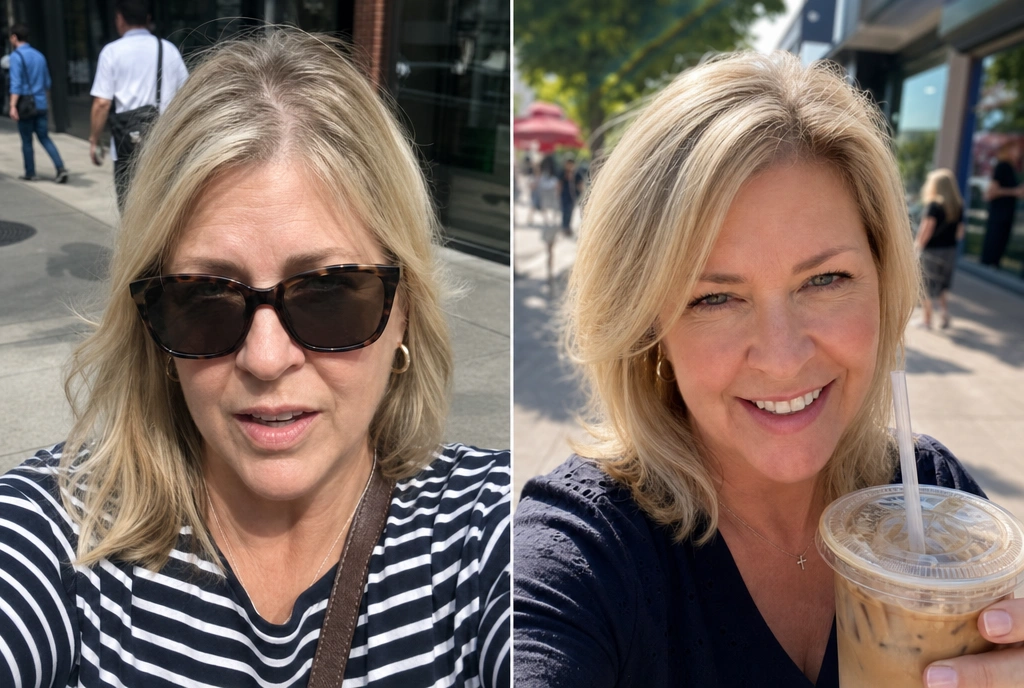
“My hair used to look decent right after styling, then fall flat and separate at the roots by lunchtime so you could see straight through to my scalp. Now it stays soft and lifted without feeling coated or greasy.”
You are not deciding whether to add another treatment to your life.
You are deciding which two bottles will be in your hands the next time you wash.
Same shower. Same schedule. Same two steps.
But now the routine you already follow is working with the different hair and scalp you have after 50, instead of treating them like the ones you had at 30.

Sold