

Stanford Dermatologist: “Every Hair You’ve Lost In The Last 5 Years Is Still In Your Head — Waiting.”
After 1,200 women in his exam rooms walked out saying the same three sentences, a Stanford-trained dermatologist explains what almost every doctor in America has been getting wrong about female hair loss.

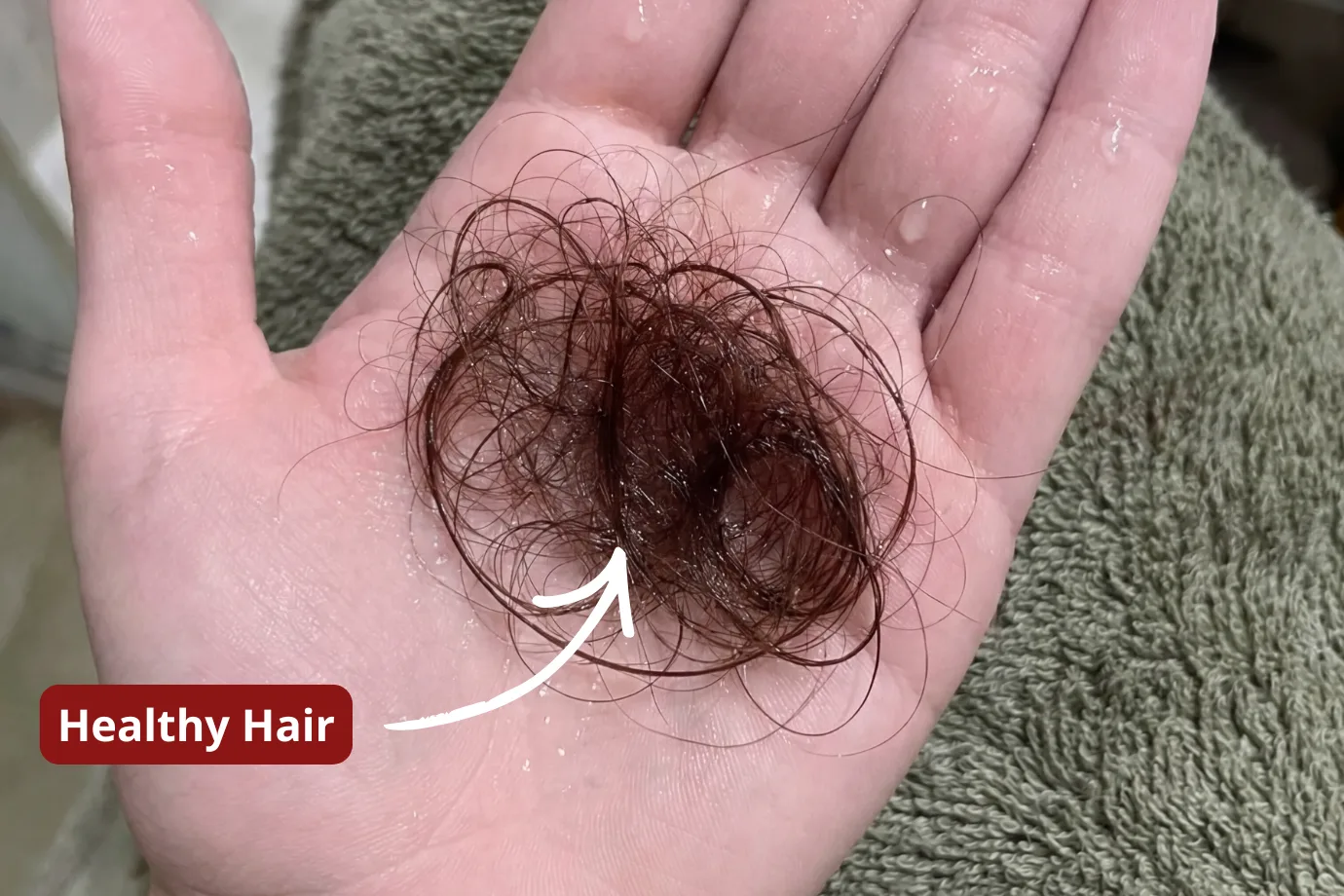
For the past few years I’ve been watching something happen in my exam rooms that almost none of my colleagues are treating correctly. I’ve now seen this exact pattern play out in over 1,200 women in my practice. And almost every one of them over 45 has walked out of my office with the same three sentences.
“I can’t believe that’s possible. Why hasn’t anyone told me this? Why did I waste two years on everything else?”
Because what I tell them is that the hair they’ve been mourning for years — the hair in the brush, the hair in the drain, the hair that used to fill out their ponytail — isn’t actually gone. Almost all of it is still sitting in their head right now. Alive. Intact. Waiting.
Then I tell them about a simple scalp ritual I started having my clinic patients do before they get in bed.
And I tell them exactly what their brush is going to look like six weeks from the night they start.
Almost empty.
Not “a little less.” Not “manageable.” Almost empty — the way it used to look before this started. In a recent independent clinical trial of women between 38 and 65 who’d tried everything else first, 95% of them hit that point by week six.
And here’s the part that made me stop prescribing what every dermatologist in America has been prescribing for 40 years.
The hair you think you’ve lost — almost all of it is still in your head.
Alive. Intact. Sitting there right now, waiting for a signal your scalp stopped sending years ago.
A landmark study in the Proceedings of the National Academy of Sciences proved this in 2021 — the kind of paper that should have ended the minoxidil era the day it came out, and didn’t.
Take A Closer Look At Your Brush
Next time you clean your brush, pick one of the strands up. Roll it between your fingers. Hold it to the light.
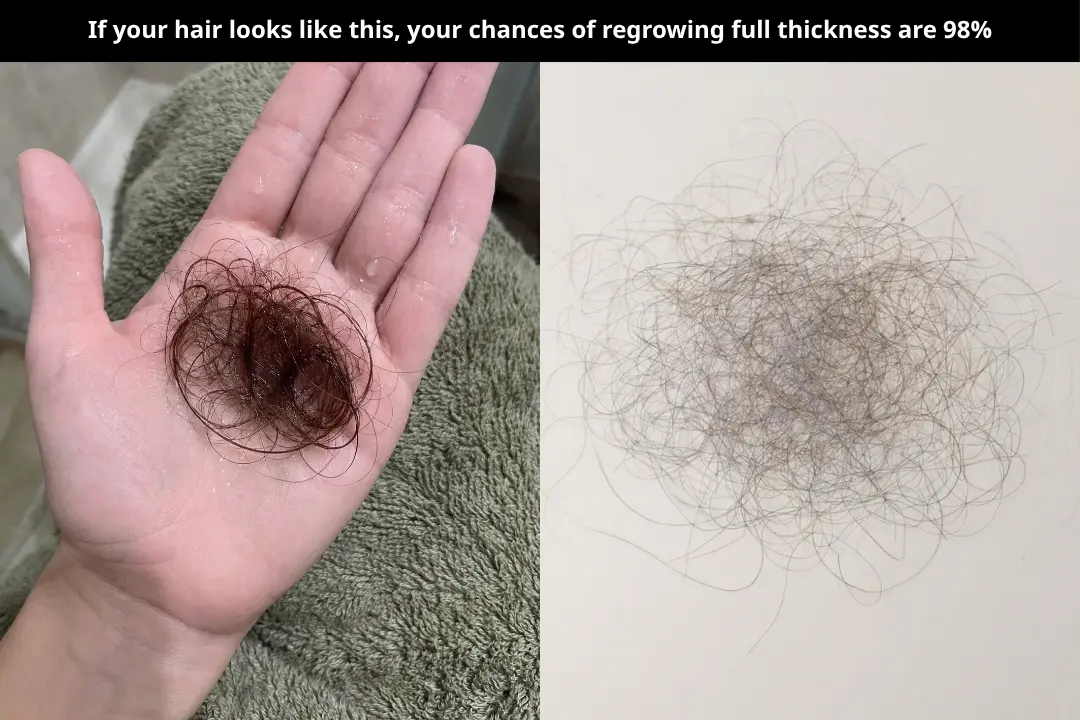
The cuticle is intact. The strand is smooth, strong, pigmented.
If I put it under a trichoscope — the 40x imaging device dermatologists use to read scalp tissue — I’d tell you what I tell every patient: this strand had years of life left in it.
I’ve examined thousands like it. The pattern is almost always the same.
The hair is fine. The scalp isn’t.
So why did it fall out?
Your scalp pushed it out before it was done growing.
Not the kind of aging you see in the mirror. Aged invisibly, underneath your hair — where no one, not you, not your stylist, not even most dermatologists, ever thinks to look.
Using the same biomarkers dermatology uses to grade scalp age clinically, I’ve measured the scalps of women in their 50s functioning like a 95-year-old’s. Five decades older than the face above it.
And it’s not random. It starts with a shift in your early 40s most women are never told about — and accelerates every year after. By full menopause, your scalp has been aging at a rate your face never will.
Every morning, that aged tissue lets more strands go. More on the pillow. More in the drain. More in your hands.
Healthy hair. Evicted before it’s done.
But this is where I watch my patients’ faces light up…
The follicle that strand came from is still there.
Your scalp didn’t just push the hair out early. It stopped sending the signal that would bring the next one in.
So the follicle sat empty.
And it’s still sitting empty right now.
That strand didn’t leave and get replaced. It left and was never replaced.
Multiply that by every strand from this week. From last month. From the last three years.
Every hair you’ve lost is still in your head. Just waiting.
Up to 1 in 4 of your follicles are sitting dormant right now. On an average scalp, that’s 25,000 individual hairs — six full hair transplants worth of hair. Already yours. Already alive. Paused because the signal that would bring each of them back stopped arriving years ago.
The Study That Should Have Changed Everything
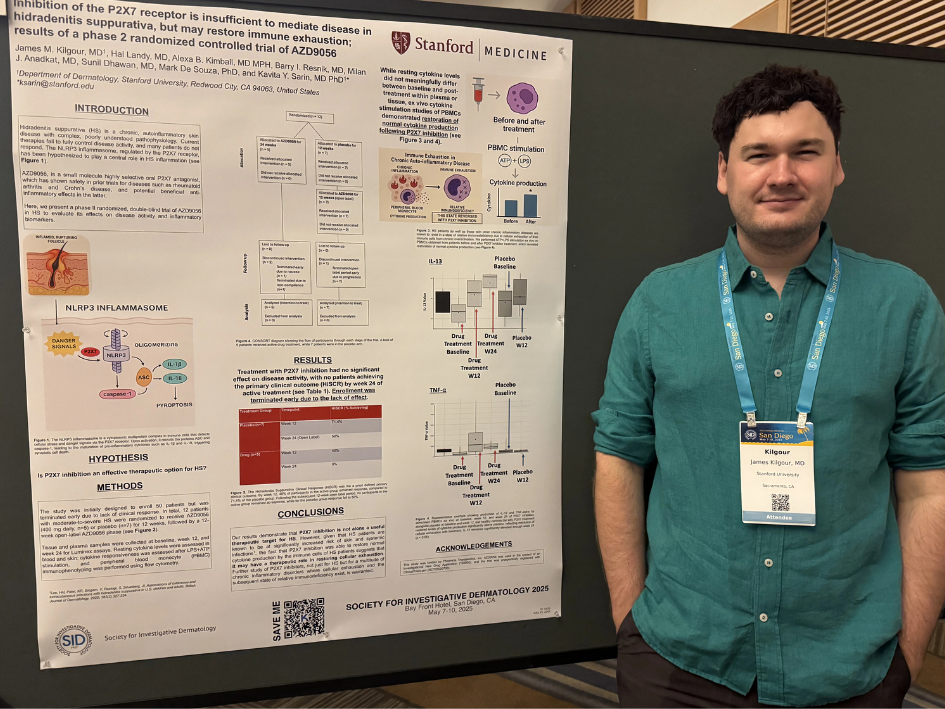
In 2021, researchers published a study in PNAS — one of the most rigorous peer-reviewed journals in the world — that quietly rewired how I think about women’s hair loss.
They ran two tests.
Test 1
Thinning Hair to a Young Scalp
They took follicles from thinning scalps — the kind every dermatologist would have called dying — and transplanted them into healthy, young tissue.
Result: they grew back.
Test 2
Healthy Hair to an Aged Scalp
They took cycling follicles — the kind you had in your 20s — and transplanted them into the kind of scalp tissue a woman in her 50s has right now.
Result: they died.
Same follicle. Alive or dead based entirely on the scalp around it.
Your hair isn’t failing you. Your scalp is.
And your scalp is aging faster than any other skin on your body — ultrasound imaging shows up to ten times faster than the skin on your forehead. By your 50s, the tissue holding your hair in place can be biologically closer to a 90-year-old’s than the face in your mirror.
It’s due to three things stacked on top of each other.
- UV and pollution hit it every day — and unlike your face, it’s never protected.
- It’s peripheral tissue, like your hands — blood reaches it last and leaves first.
- It’s packed with estrogen receptors — more per square inch than almost anywhere else on your body. When estrogen falls in your 40s, they all go quiet at once.
Three accelerants your face doesn’t deal with. On a scalp nobody ever treats.
Dermatology has two names for what an aged scalp does to your hair. Most women have never heard either.
Phase 1 — Anagen Release
The follicle is pushed out early
Documented by Courtois et al. in a 15-year longitudinal study tracking nearly 10,000 individual hair cycles. The clinical term for a follicle forced out of growth before it’s finished — exactly what the PNAS team showed happens when healthy follicles are surrounded by aged tissue.
Phase 2 — Kenogen
The follicle never grows hair again
First measured by Guarrera and Rebora in their 2005 study Kenogen in Female Androgenetic Alopecia, published in Dermatology. The clinical term for a follicle that’s exited its rest phase but never received the signal to grow again. So it sits. Intact. Silent. Counted as “lost” when it’s really just paused.
This is why your hair keeps getting thinner no matter what you try.
Every product on the market is built for the follicle. Nothing is built for the scalp underneath it. The hair loss industry has spent forty years aiming at the wrong layer.
I spent seven of those years trying to figure out how to aim at the right one.
Why I’m Writing This

You’re probably wondering why a Stanford-trained dermatologist is publishing an article explaining all of this instead of letting the normal channels handle it.
Because the normal channels failed the woman who raised me.
Her name is Gaynor. She started losing her hair in 2020. She didn’t tell me for almost a year.
She was 58. She’d been telling herself for two years that it would stop on its own. She’d tried three products. She was doing what most women her age do when this happens — hoping it would go away.
When she finally told me, I did everything I’d been trained to do. None of it worked.
I knew why. Nothing in dermatology’s toolkit was built for what was happening underneath her hair.
A year later, I was helping her move something out of her bathroom cabinet and found her half-empty bottle behind the Aquaphor. She’d stopped using it months before and hadn’t told me.
She just said, “It wasn’t working, James.”
That was the week I finally sat down with the PNAS study I’d been meaning to read. For the first time, I understood what had actually happened to her — and why nothing I’d been trained to prescribe could have stopped it.
That’s when I started building something that could.
What I Pulled Out Of Forty Years Of Dermatology Research
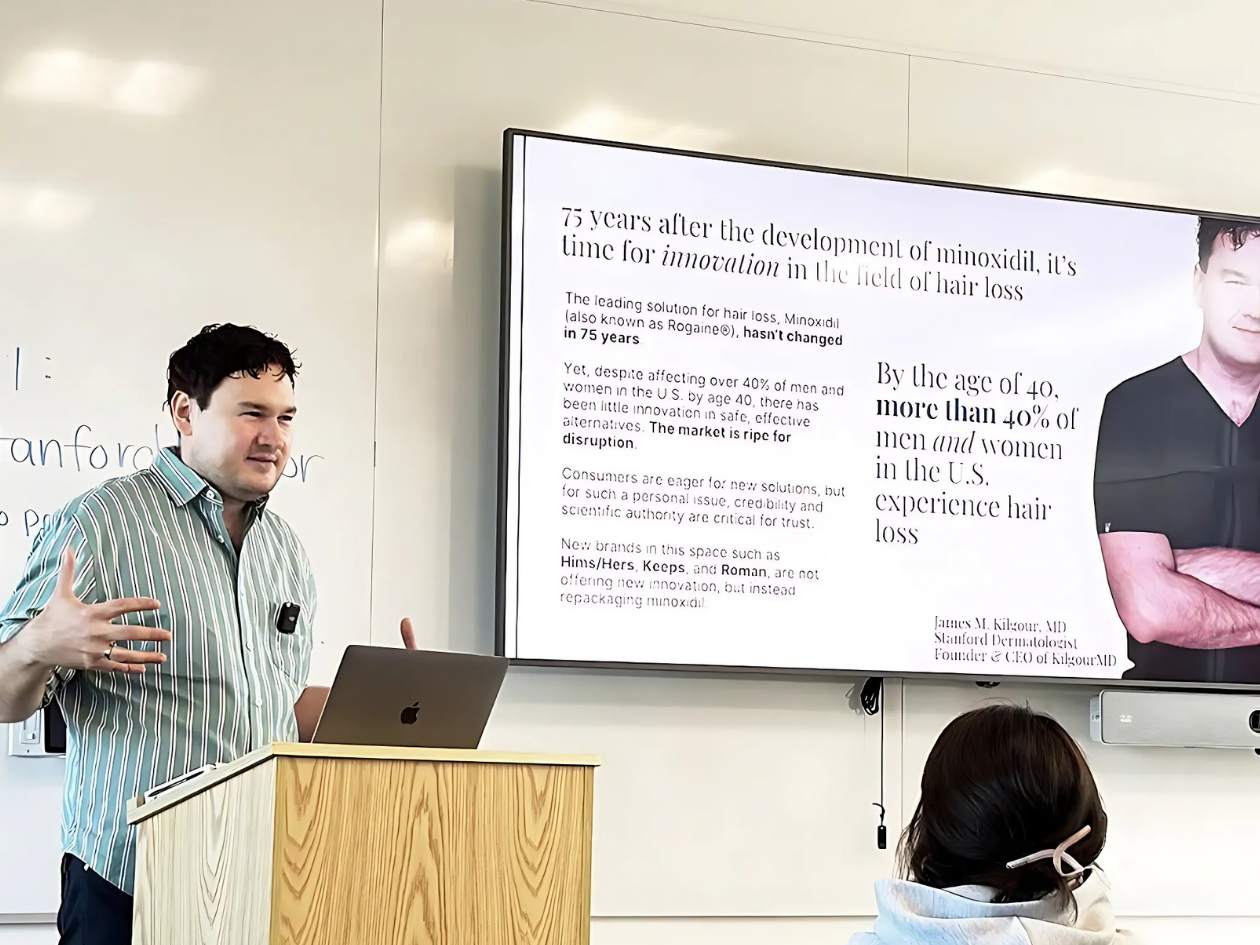
Everything on the market was built for the follicle. I needed to build something for the scalp underneath it.
That meant finding compounds that could do two things nothing in the hair loss industry was doing: rebuild the aging tissue pushing healthy strands out before they were done growing, and restart the signal that wakes the dormant follicles already sitting in your scalp.
I went looking through forty years of peer-reviewed dermatology research — most of it ignored by the hair loss industry because it wasn’t aimed at follicles.
And what I found stopped me cold.
There was a compound that had been shown in published clinical testing to clear hair loss in as little as 6 weeks in women over 40 — without touching hormones, without any of the side effects of the leading prescription.
There was a molecule that, in peer-reviewed research, grew new hair at 214% — more than doubling what researchers had ever measured from any topical treatment before it.
And there was a third compound that increased hair density by 79% — and was independently measured as 81% more effective than the leading prescription hair loss treatment for the exact accelerators driving rapid scalp aging.
All of it published. All of it validated. None of it ever assembled into a single protocol aimed at the scalp itself.
Hiding in plain sight.
What I did was combine them — at the right concentrations, in the right order, delivered where they needed to go — into a two-step scalp protocol designed to be used before bed.
Then I commissioned an independent, third-party clinical trial on women between the ages of 38 and 65 — every one of whom had already tried something else and watched it fail.
What happened by week 6 is why I’m writing this article.
“The Most Complete Shedding-To-Regrowth Response Ever Recorded In A Topical Protocol For Women Over 40.”

Each woman was given the two-step protocol — Serum One to rebuild the aging tissue, Serum Two to wake the dormant follicles — and told to use it for sixty seconds before bed. Nothing else changed.
Here’s what Dermaclaim measured.
By Week 6 — The Brush Goes Almost Empty
95% of participants reached near-cessation of visible shedding by week six. Independent methodology. Standardized wash counts. Every hair accounted for.
Shedding didn’t taper. It stopped.
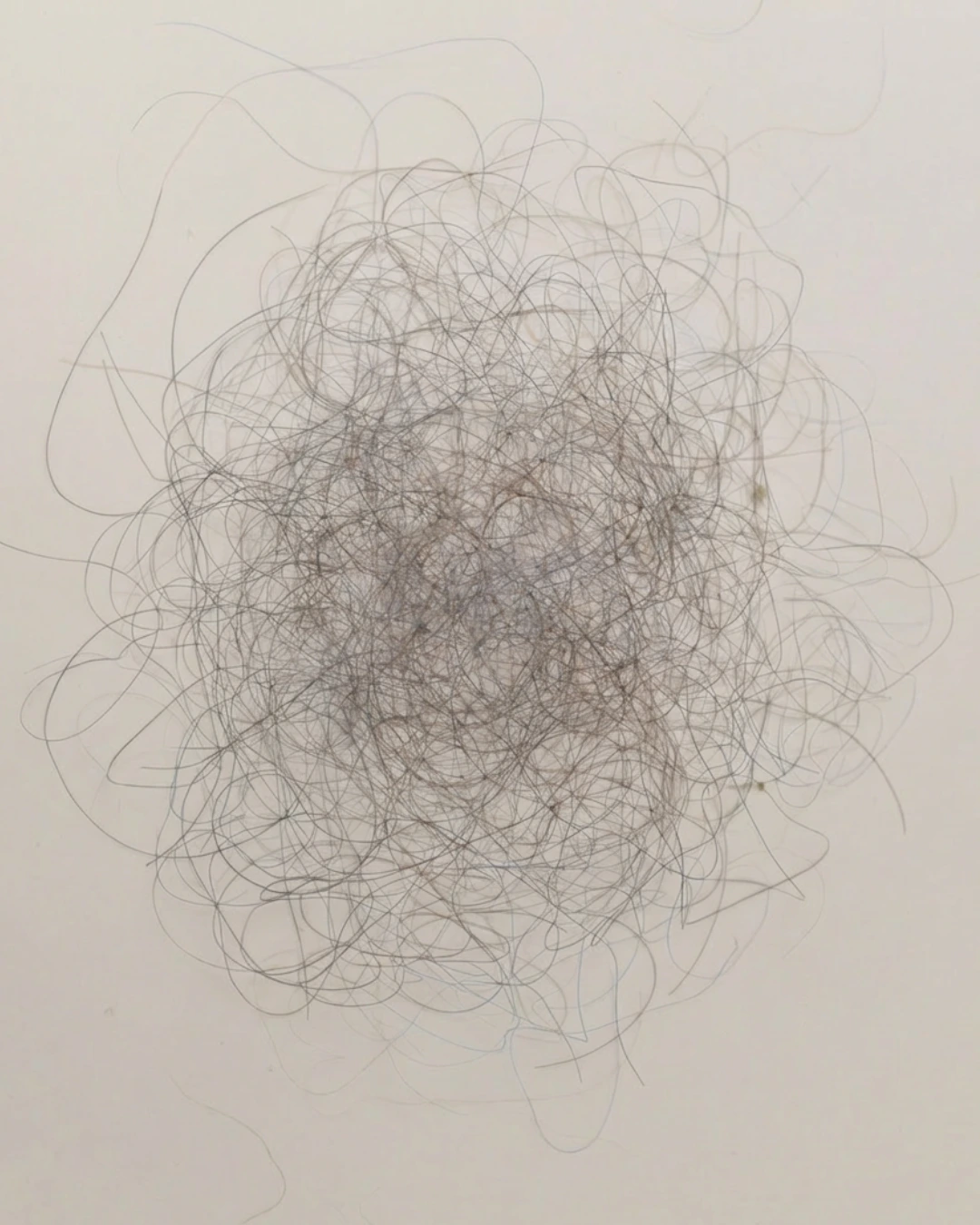 Week 0
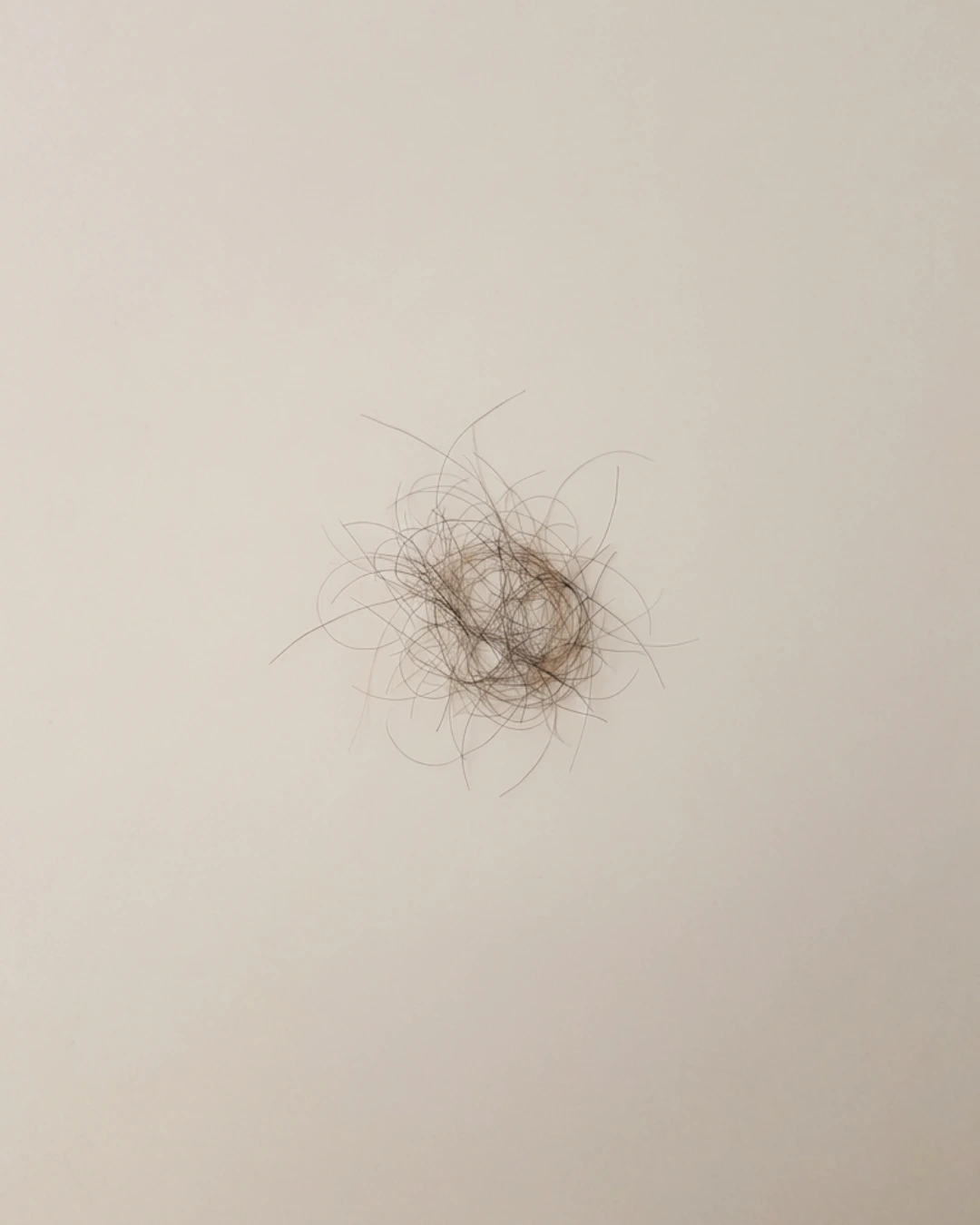 Week 6
By Week 12 — 10,200 New Hairs
10,200 new hairs per participant. Measured by trichoscopy. Counted by hand. Verified frame-by-frame by Dermaclaim’s analysts.
Not “thicker-looking.” Not “fuller appearance.” Actual new strands growing out of follicles the hair loss industry had written off as dead.
On an average scalp, that’s roughly the density of six full hair transplants — achieved without a single graft, injection, or pill.
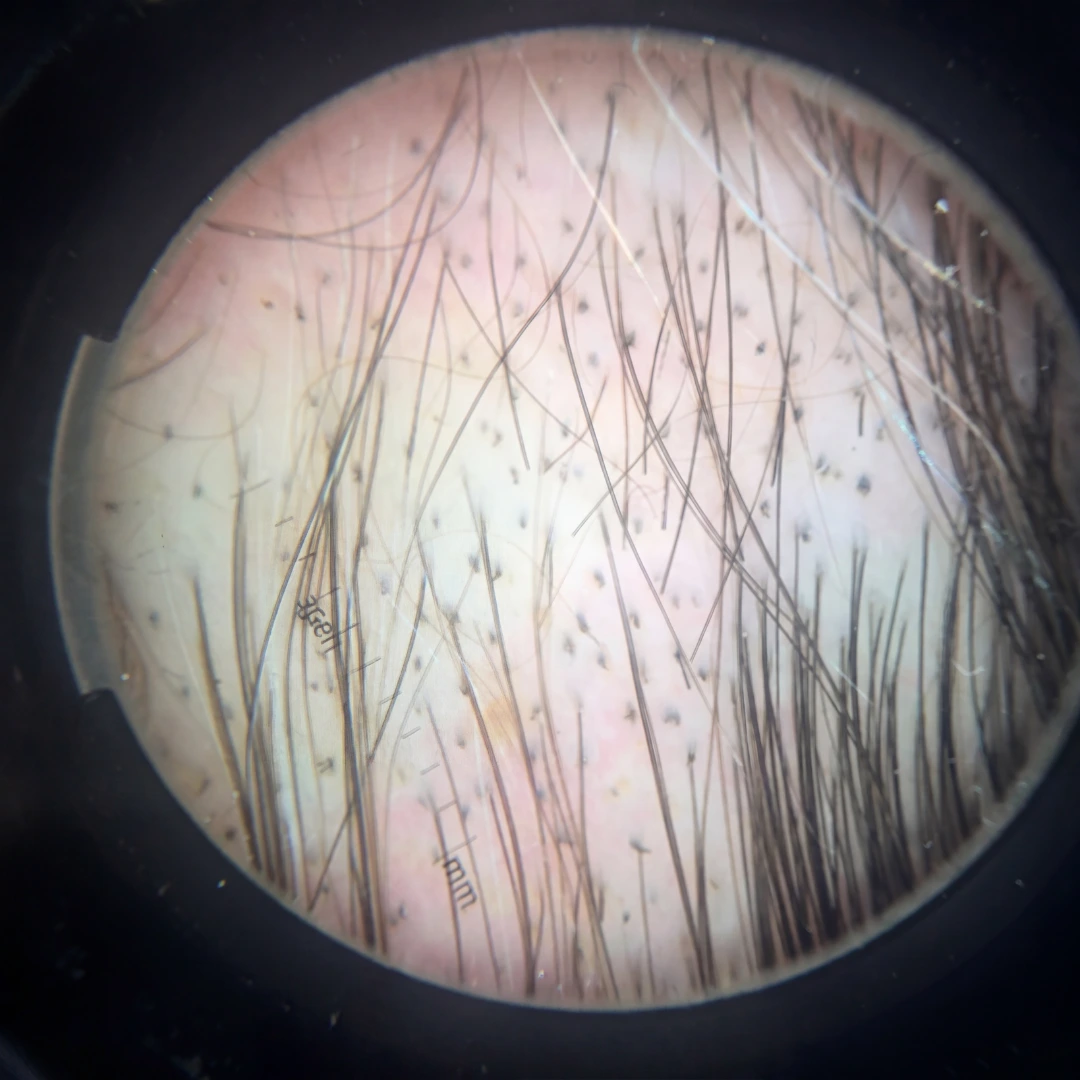 Week 0
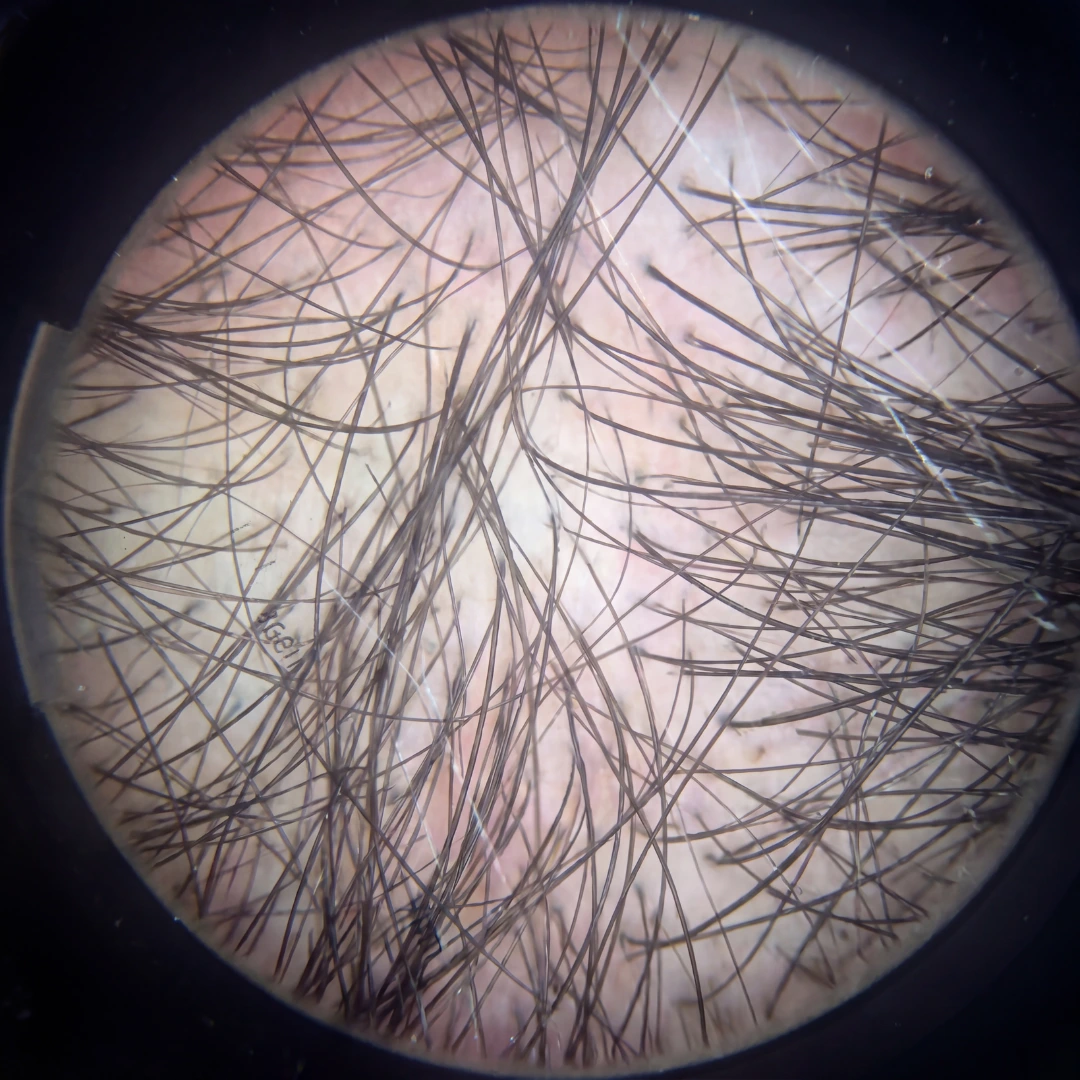 Week 12
Hair Density Increased by 79%
Strands per square centimeter, measured before and after. The hair already there got thicker. The hair that came back came back full.
Independent reviewers described the resulting density as a profile most women haven’t seen on their own head since their thirties.
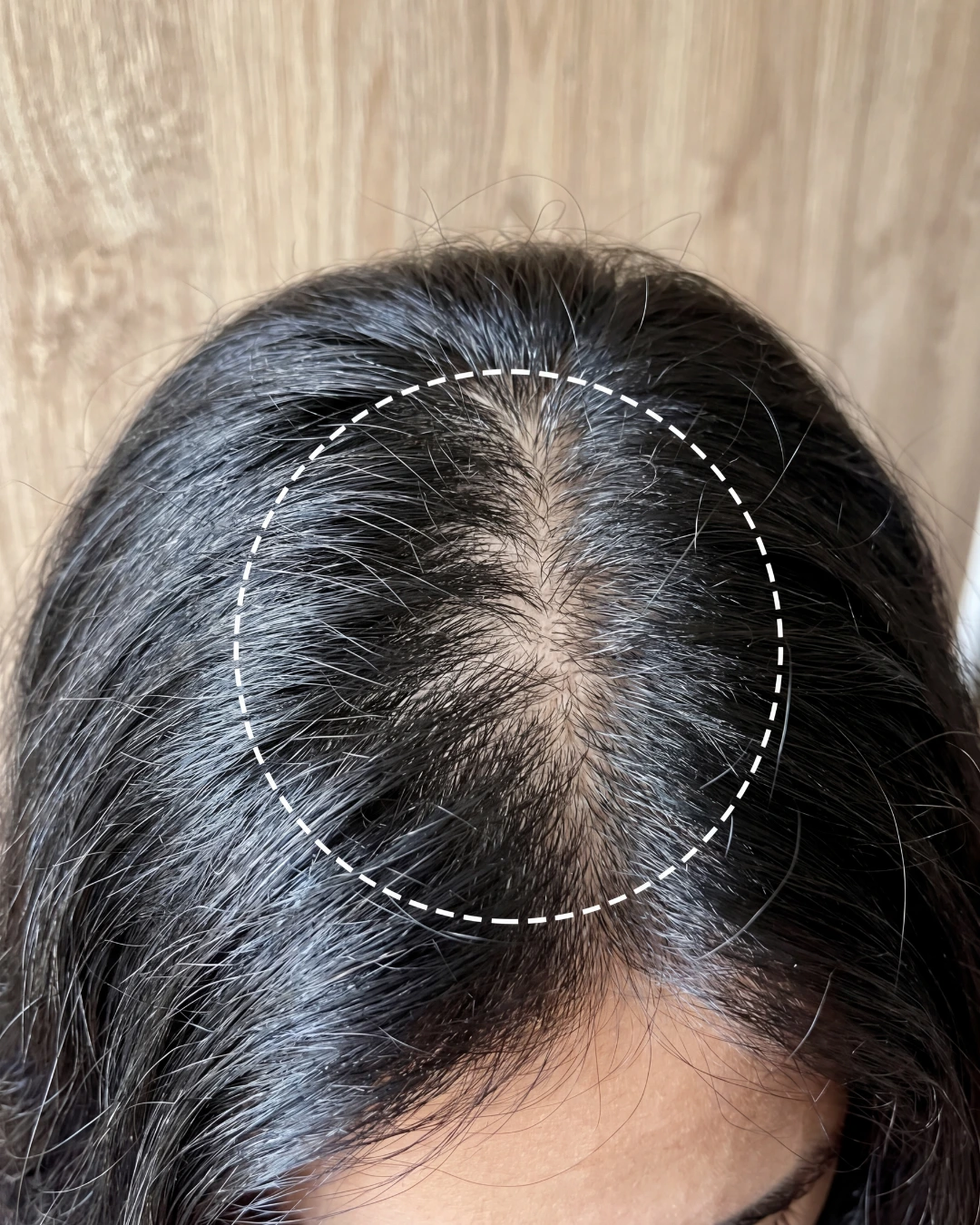 Before
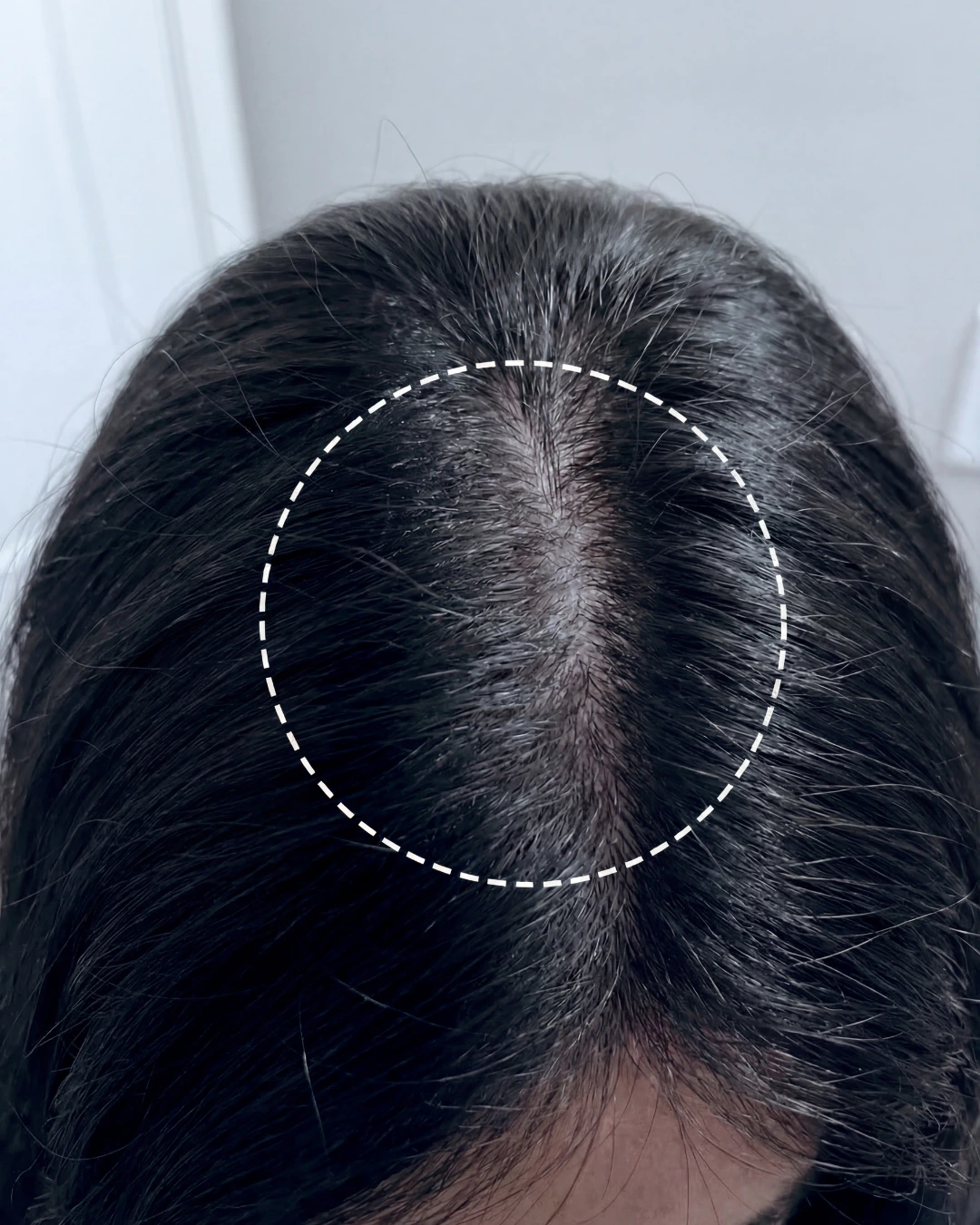 After
After
The Numbers Dermaclaim Released
| Measurement | Result |
|---|---|
| Shedding reduction at week 6 | 95% near-cessation |
| Total shedding reduction | 68% |
| New hairs per participant at week 12 | 10,200 |
| Hair density increase | 79% |
| Overall response rate | 98% |
| Speed vs. leading prescription | 3× faster |
| Side effects | 0 |
| Dropouts | 0 |
3× faster than the leading prescription hair loss treatment. 0 side effects. 0 dropouts.
And one number Dermaclaim didn’t measure: 43 out of 43 women asked if they could keep using it after the trial ended.
How KilgourMD Works To Stop Hair Loss Within 6 Weeks
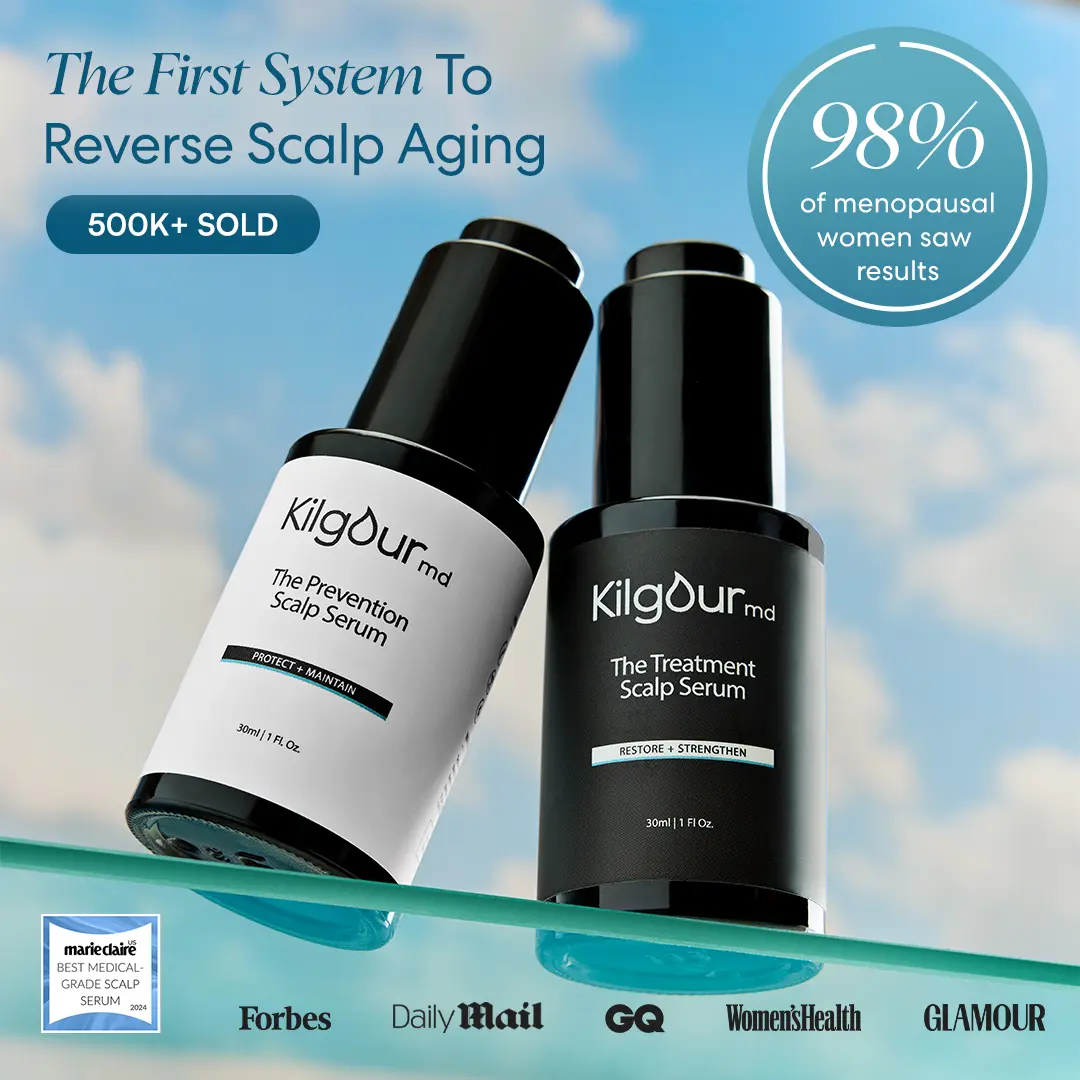
Every compound in both serums has one job: stop the eviction of healthy hair, or wake the follicles that have already gone silent.
Stop The Eviction
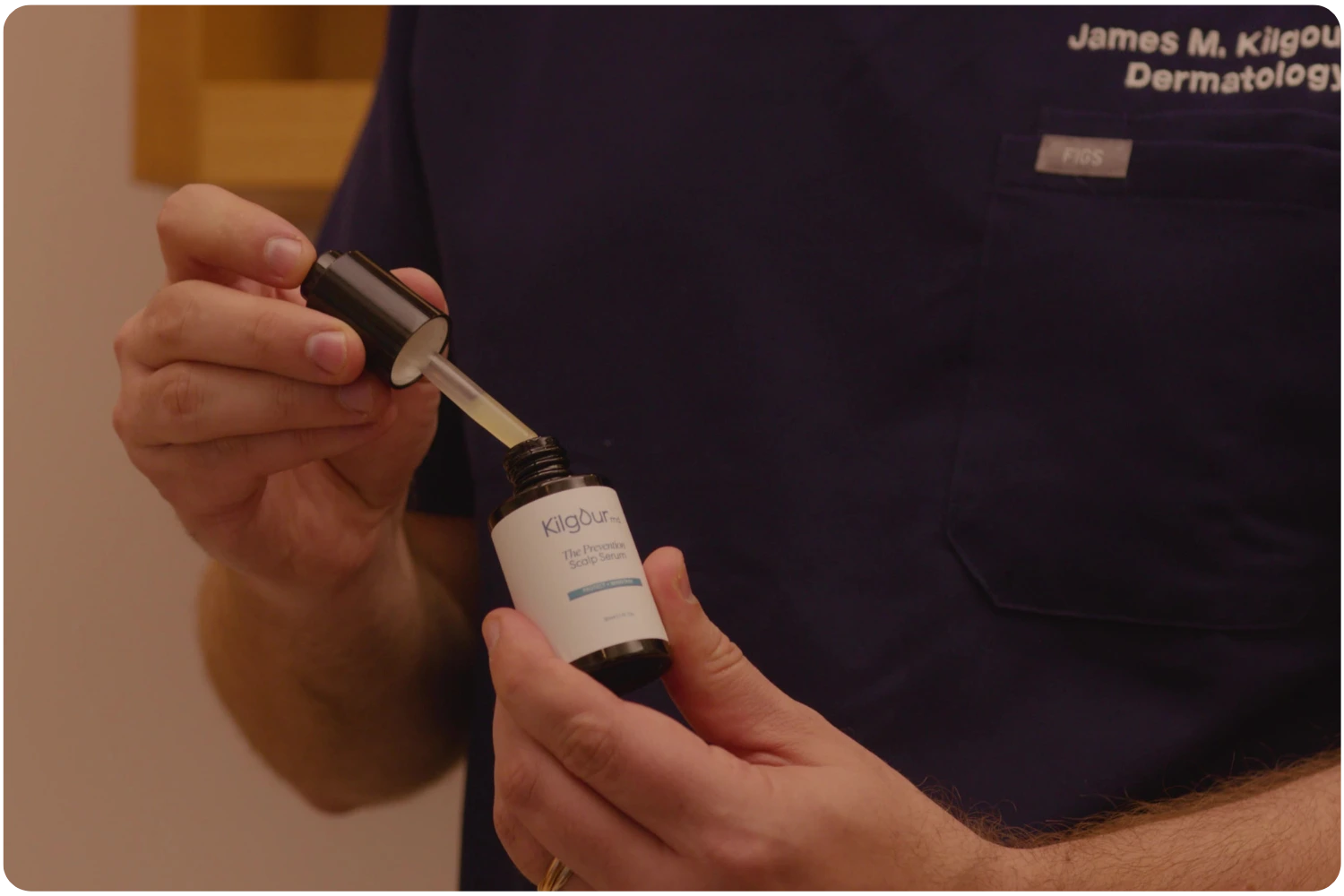

Capixyl
A peptide-and-red-clover complex that rebuilds the tissue meant to anchor each strand through a full growth cycle. In head-to-head testing, it was measured at 81% more effective than minoxidil.
Translation: fewer healthy strands in your brush, faster.

Procapil
A French compound designed to do one thing: get past the thickest skin on the body. Increased scalp blood flow by 121% — which is how every other compound in the serum actually reaches the follicle instead of washing down the drain.
Translation: the rest of the protocol only works because this one does.

Anagain + RootBioTec
Swiss pea sprout extract and watercress stem cell extract, working together on the hair you still have — and on every new hair the Treatment Serum wakes back up. These actives extend the active growth phase by 78%.
Translation: every hair on your head right now — and every hair that grows back — stays longer and grows longer.
Wake The Follicles
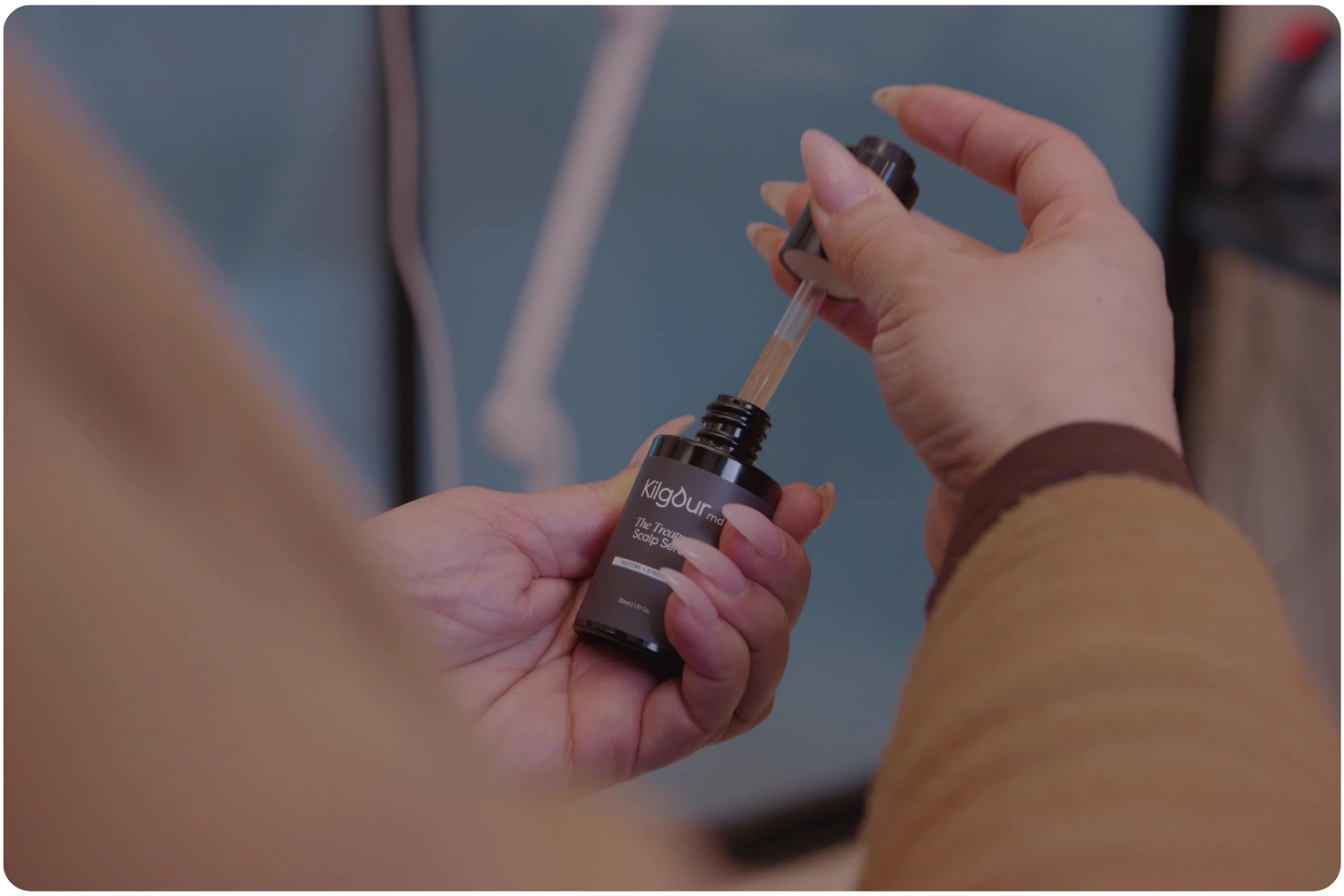

Redensyl — the hero
Redensyl is a patented molecule derived from larch tree bark. It doesn’t work through blood flow. It doesn’t work through hormones. It doesn’t work through nutrition. It’s the first topical compound with a published mechanism for talking directly to the stem cells inside the follicle bulge — the cells that decide whether a dormant follicle wakes up or stays asleep.
In clinical testing, Redensyl grew new hair at 214% over 84 days. More than double what any topical had ever produced.
For scale: a $15,000 hair transplant moves roughly 4,000 grafts. Redensyl produces 10,200 new hairs in 12 weeks. More new hair than surgery. No scalpel.

Rootivate-8 — the fuel
Once a dormant follicle wakes up, it needs three things immediately: energy to divide cells, protection from the hormone that shut it down, and keratin to build the actual strand. Rootivate-8 delivers all three.
- Caffeine — energy for each newly-firing follicle to divide
- Saw Palmetto — blocks DHT from shutting the follicle back down
- Pumpkin Seed — supplies the keratin the new strand is physically made of
Backed by Rosemary, Ginseng, Turmeric, Pine Bark, and Amla — five more botanicals chosen for specific roles in sustaining what Redensyl starts.
Redensyl pulls the trigger. Rootivate-8 feeds what comes out.
Here’s what happened to the women who used it.
Real Women. Real Results.
1Gaynor Kilgour
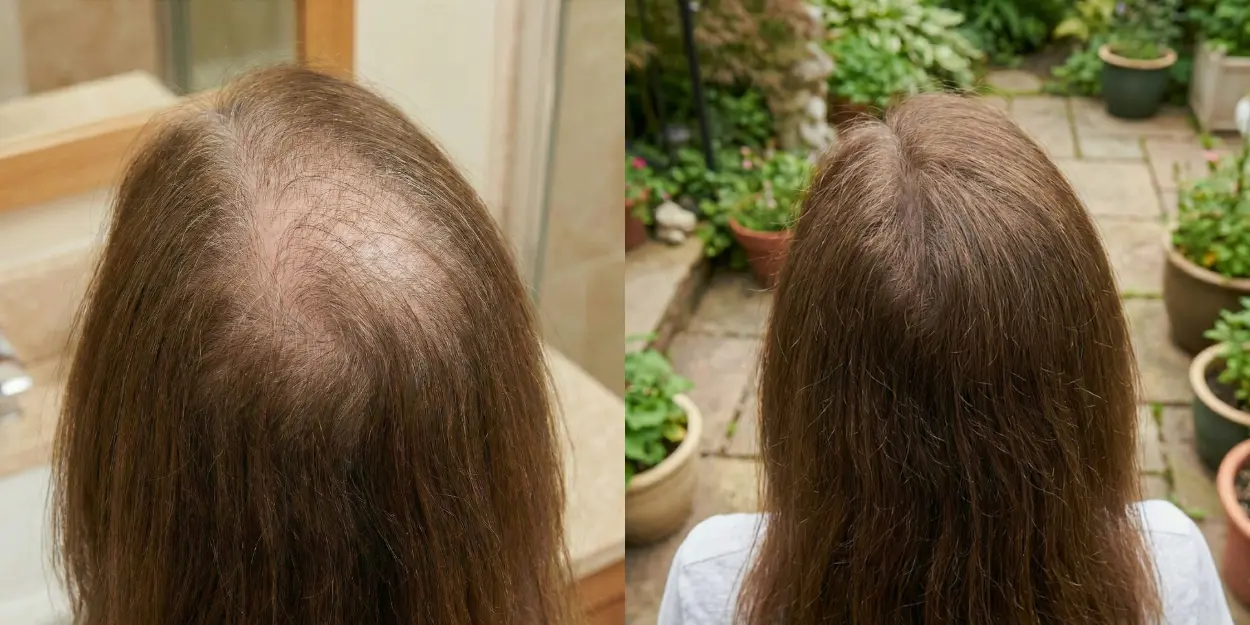
My mom was the first person I ever put this on.
She’d given up on minoxidil months before she told me. She wasn’t doing any other treatment, hadn’t tried supplements, hadn’t changed her diet. Just her normal routine and a scalp that had been quietly aging through two years of menopause.
I brought her the prototype at Christmas. She didn’t believe it would work — she told me that directly. She used it because I asked her to.
By week six, her ponytail stopped getting thinner. By week twelve, she was pulling hair out of her brush in amounts she hadn’t seen since her forties. By six months, she was showing my aunts.
She’s now been on the protocol for three years. At 68, she has more density than she had at 55.
She still tells me it wasn’t working, when she points at the photos from 2020. Then she corrects herself and says: “Nothing was working. Until this.”
2Mariam M.
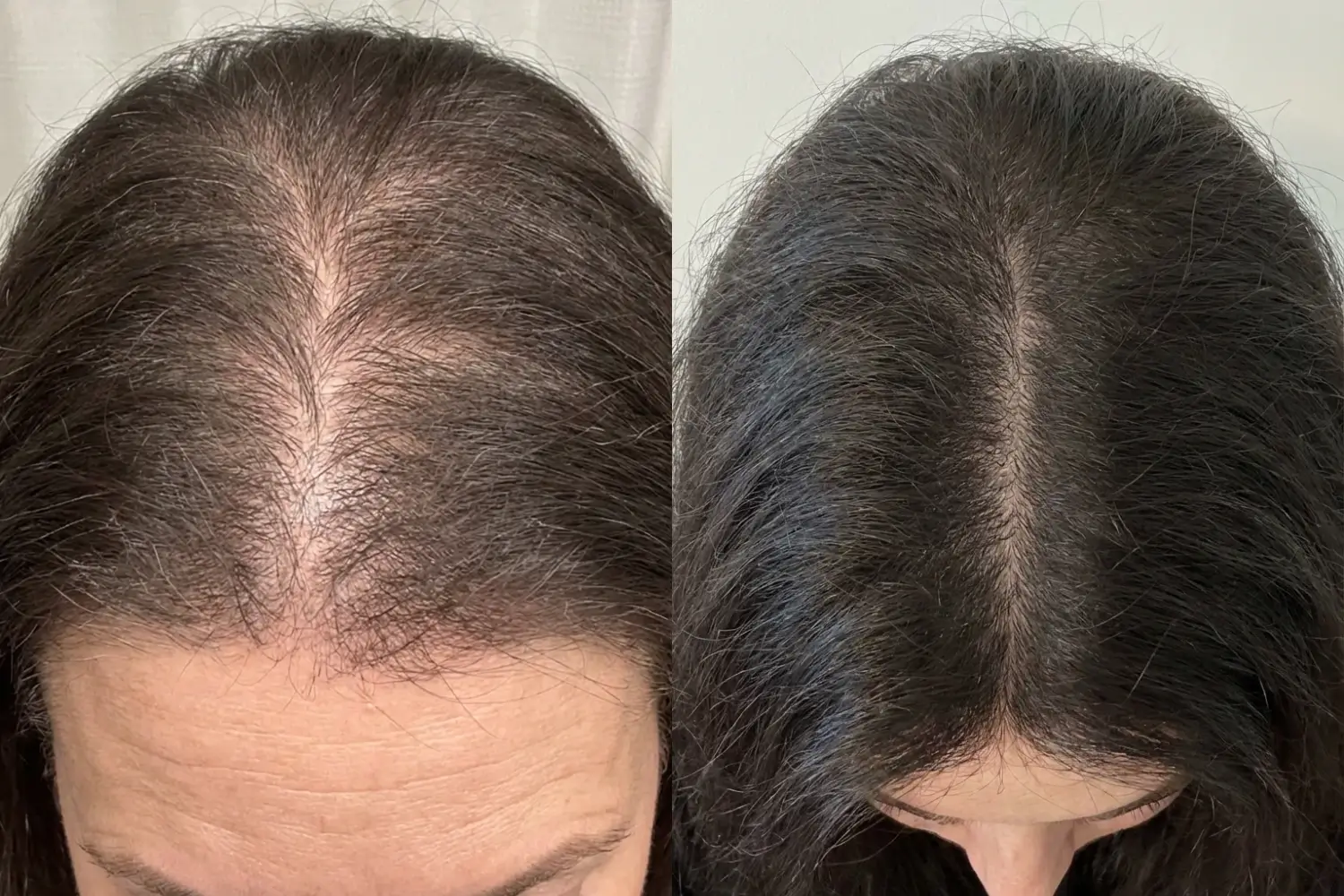
Mariam cut women’s hair for a living for 15 years. She knew what hair loss looked like, because she’d watched it happen to her clients.
She didn’t expect it to happen to her.
At 43 her part started widening. She tried minoxidil — it burned her scalp and made the shedding worse. Four months of Nutrafol, nothing. Three months of Vegamour, nothing. Then she paid $10,000 for a hair transplant.
The grafts didn’t take.
When the surgeon suggested another procedure, she declined. She told me later she’d decided to just accept it — shorter hair, wigs for weddings, the new reality. That was the moment before she found KilgourMD.
She tried it because, in her words, “nothing else was going to happen anyway.”
Four months in, she messaged us a photo of her part. The caption was three words.
“It’s filling back in.”
She’s on the protocol still. She’s also back to telling her clients what to do about their own shedding.
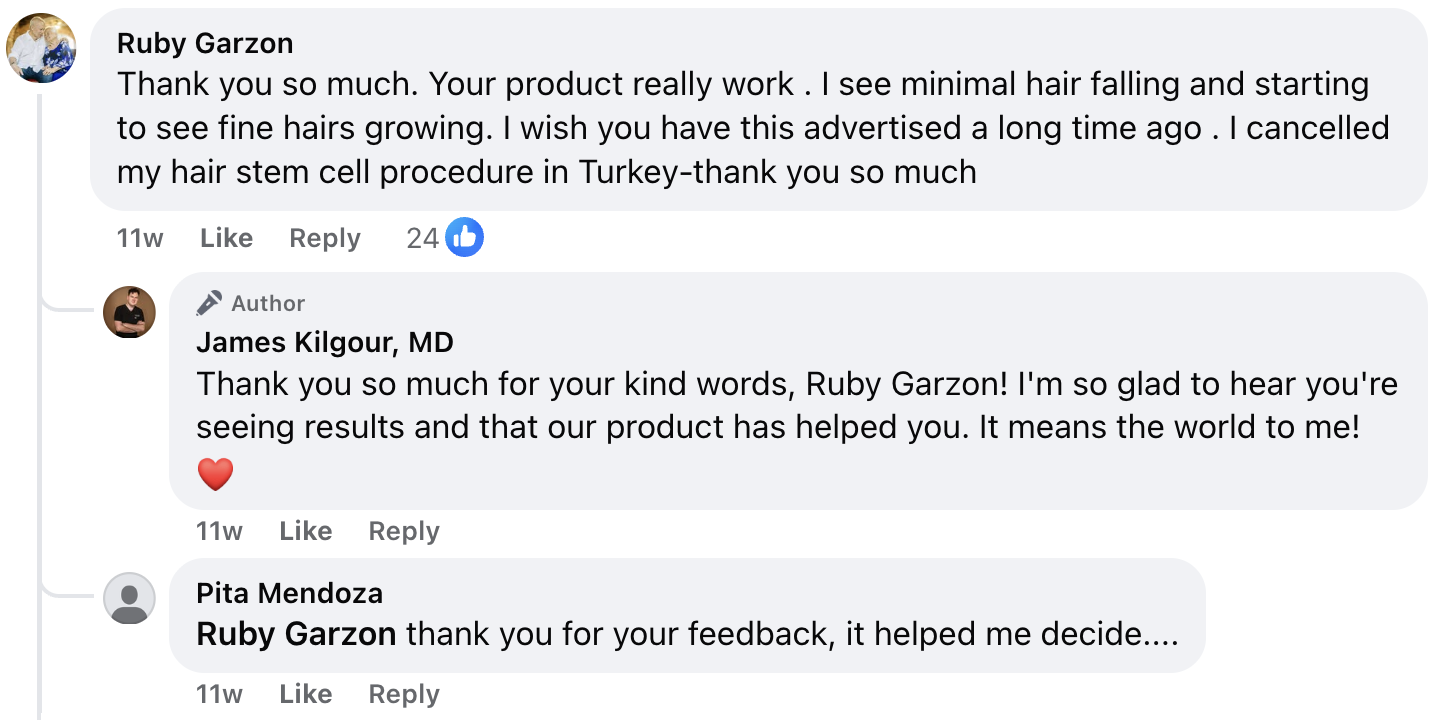
3Ruby G.
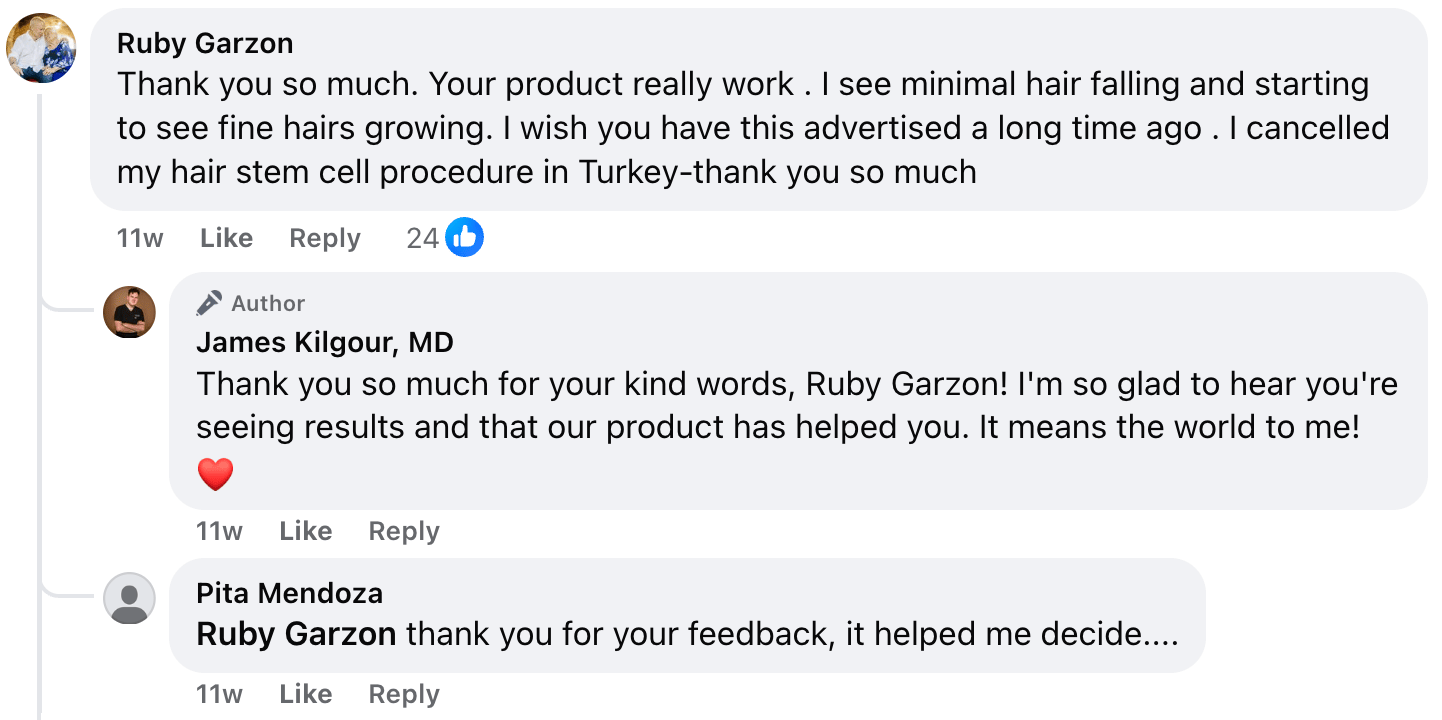
Ruby had already paid for a flight to Istanbul.
She’d done the research. She’d compared the clinics. She’d booked the consultation for a hair stem cell procedure — $6,000 for the procedure, plus travel, plus a week of recovery abroad. Her bags were half-packed.
A friend sent her a link to our page three days before she was supposed to fly.
She thought about it for a night, cancelled the trip, and ordered the serums instead.
She wrote to us six weeks later. Four sentences. I’ll just give you the last one.
“I don’t know where my hair has been hiding, but it’s starting to come back.”
She never rebooked Istanbul.
None of them expected it to work. All of them had already tried something else that didn’t. Every one of them was at the point most women reach right before they give up.
They didn’t give up.
They just found the one thing no one had built for them.
My Personal 90-Day “Empty Brush” Guarantee
Look, I get it.
You’ve been burned before. Minoxidil that made you shed worse. Supplements that did nothing. Serums that smelled expensive and cost more than your skincare. You’ve already paid for things that didn’t work and you’re tired of paying for the next one.
So here’s my promise.
Use both serums for 90 days. Every night. 60 seconds before bed.
By week 6, your brush should look almost empty. By week 12, your part should be narrowing. By day 90, you should be looking at a version of your hair you haven’t seen in years.
And if none of that happens — if you don’t wake up one morning and catch yourself in the mirror doing a double-take — I’ll refund every penny.
No forms. No hoops. No “store credit.” No asking you to prove you used it right.
Just email the team and say “It didn’t work.”
We’ll refund your money. You keep the bottles. Use them, throw them out, whatever you want. They’re yours.
Why am I willing to do this?
Because three weeks ago, the Journal of Drugs in Dermatology accepted our trial for publication in their June 2026 issue. Peer-reviewed by independent dermatologists and researchers we’d never met. They checked the methodology. They replicated the math. They questioned the conclusions.
Then they published it.
For a topical protocol in women’s hair loss, that’s uncommon. For one built outside a pharmaceutical company, with no drug-approval pipeline behind it, it’s rare. And in those results — on women between 38 and 65 — 98% of them responded. Every woman but one. Almost nobody in the hair loss category has seen a number like that in 40 years.
If 98 out of 100 women are going to see it work, a 90-day guarantee isn’t generous. It’s obvious.
To mark the publication, every woman who starts the 90-day protocol right now gets 38% off the full regimen. This isn’t a sale. It’s a thank-you — to the women who participated in the trial, to the researchers who reviewed it, and to readers like you who are finding this at the exact moment the work becomes part of the medical literature.
It runs while stock lasts. Once the publication batch sells out, the protocol returns to standard pricing.

Dr. James Kilgour, MD
Board-Certified Dermatologist, Stanford School of Medicine
What To Do Next
If you recognized yourself anywhere in this article — the brush, the ponytail that keeps getting thinner, the part you’ve rearranged three times this year — you already know what’s happening.
And you already know what happens if you don’t do anything about it.
Tap the button below and start tonight, before bed. 60 seconds. Two steps. That’s it.
Six weeks from now, your brush is going to look different. 90 days from now, you’re going to catch yourself in the mirror.
If it were me, I’d grab the 90-day supply. It’s the full protocol we ran the trial on, it’s where you see every stage of results, and with 38% off while it lasts, it’s where you save the most. But whatever option you pick, the guarantee covers every penny of your order.
Free shipping · 90-day money-back guarantee
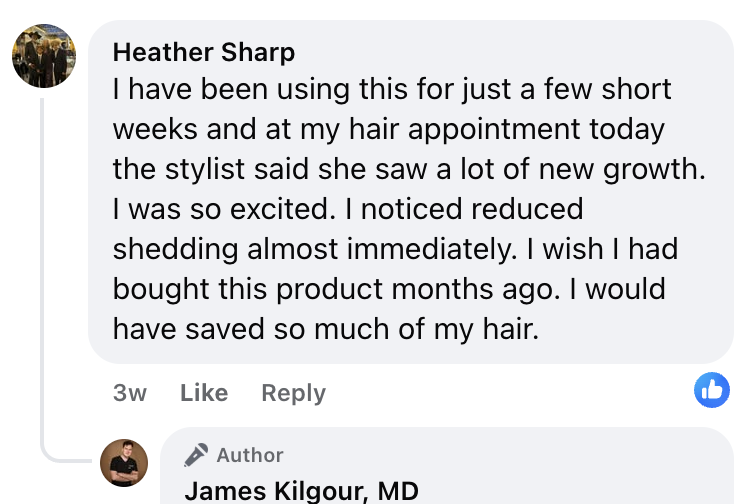
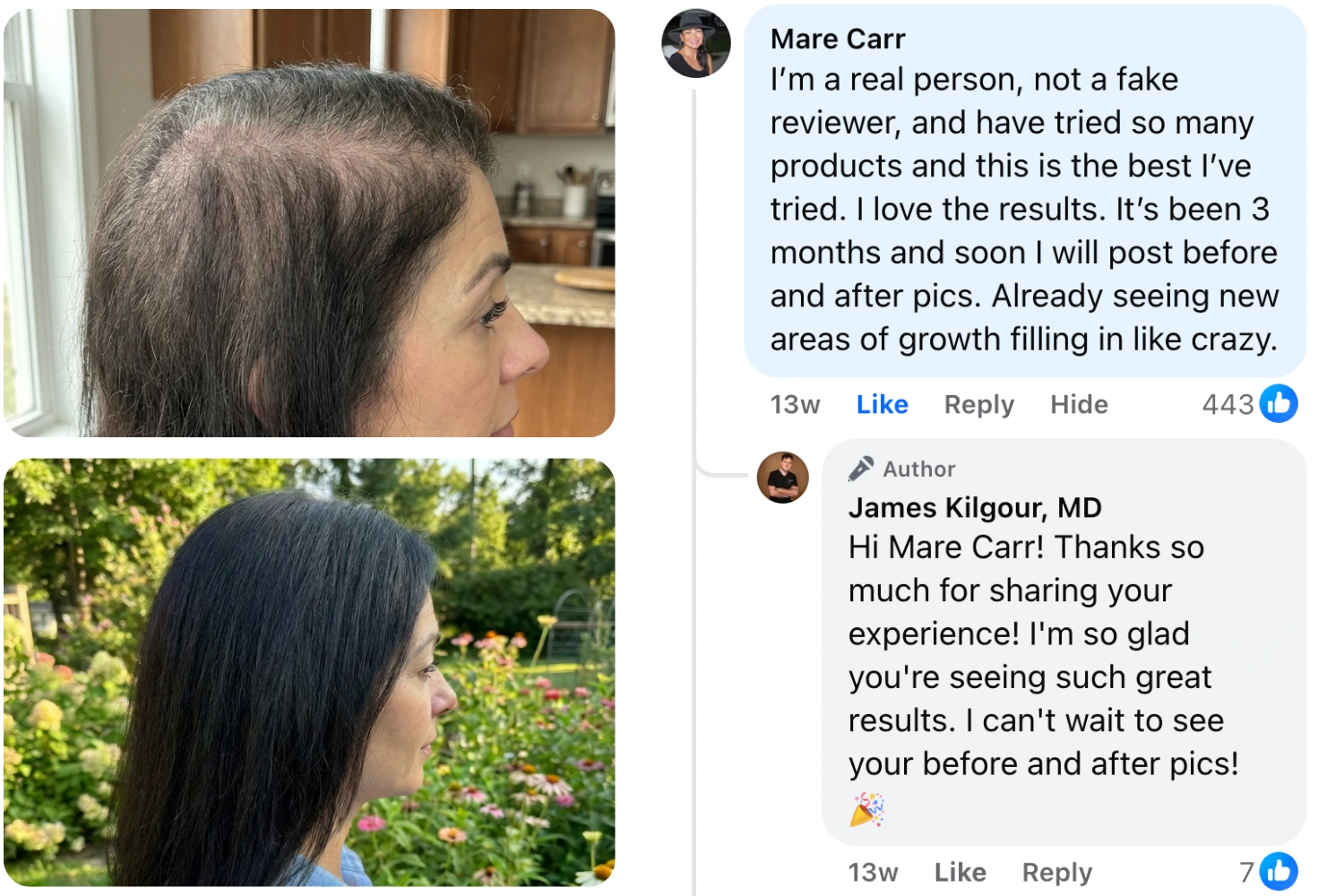
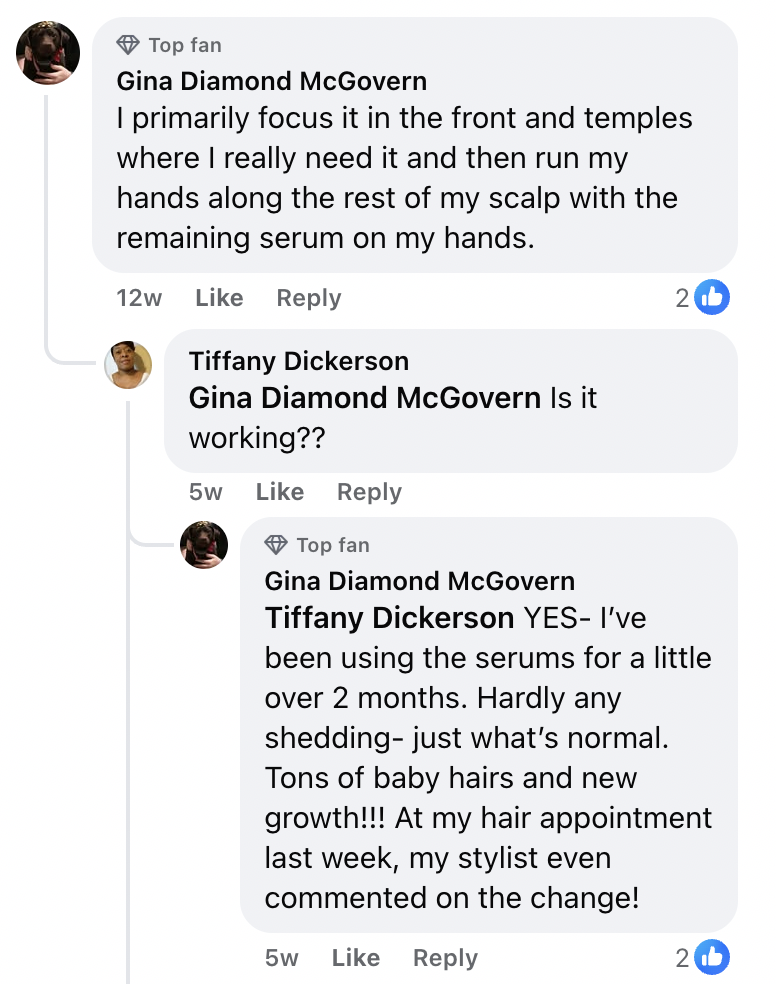
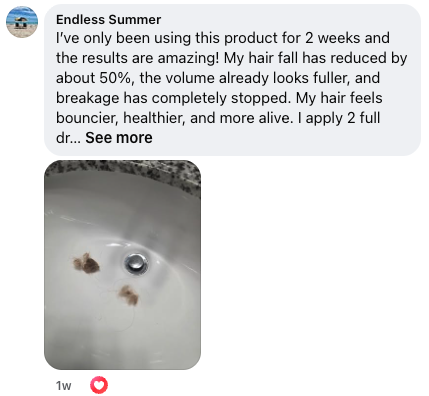
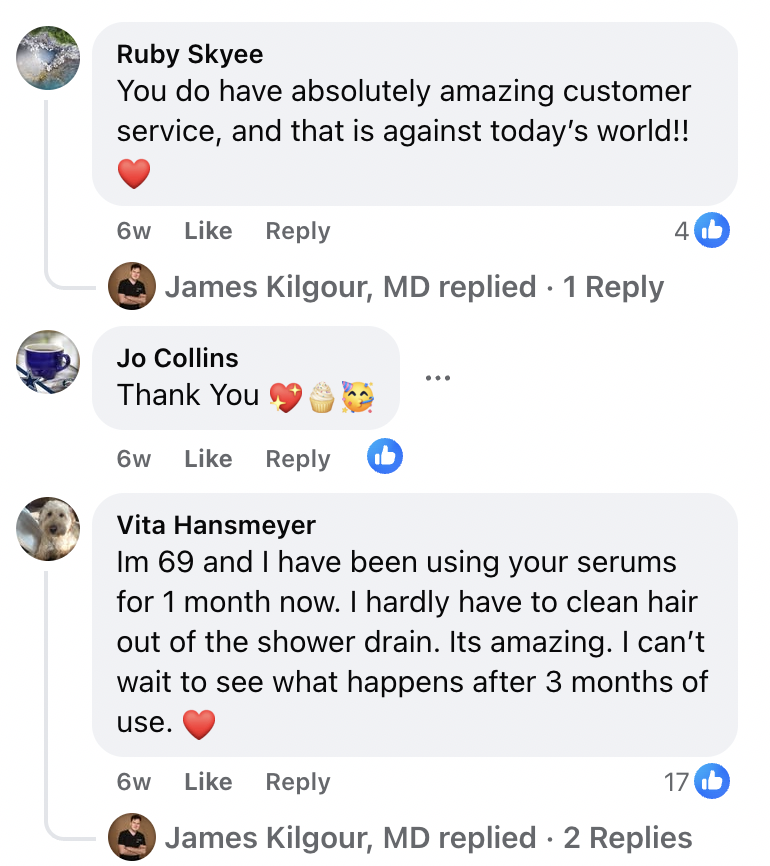
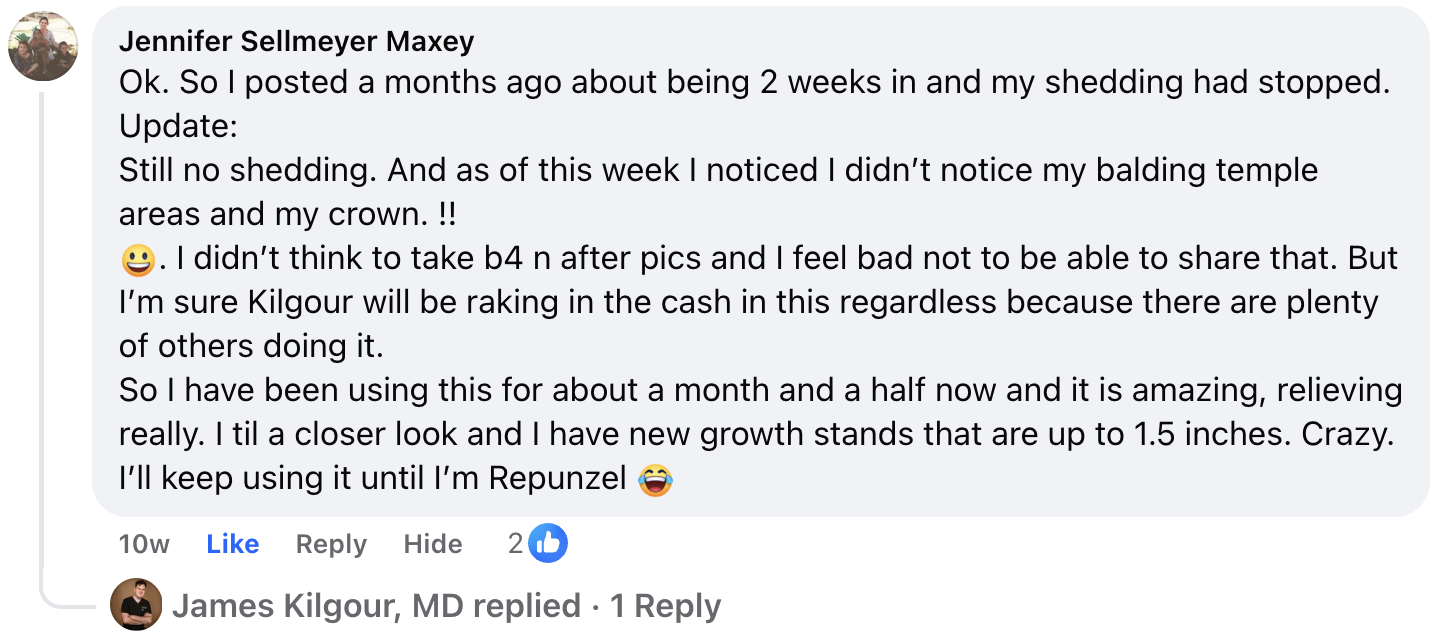
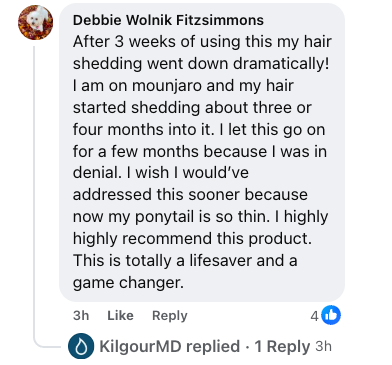
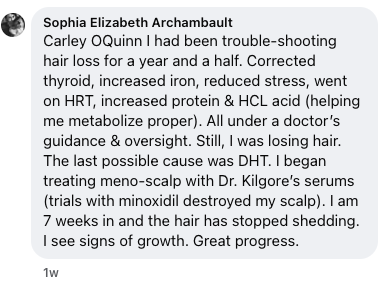
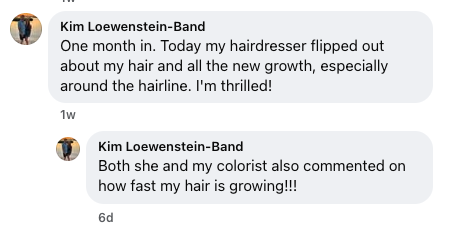
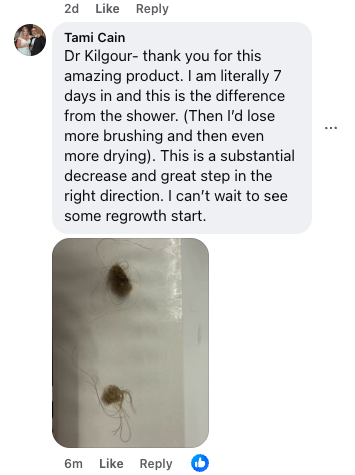
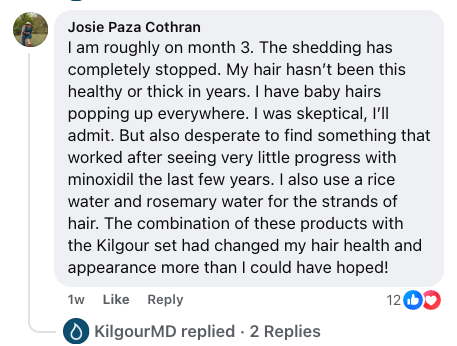
What Women Have Been Writing
Little unprompted notes women have left on our posts — usually a few weeks in, once they start noticing.
Free shipping · refund if it doesn’t work


Free shipping · 90-day money-back guarantee